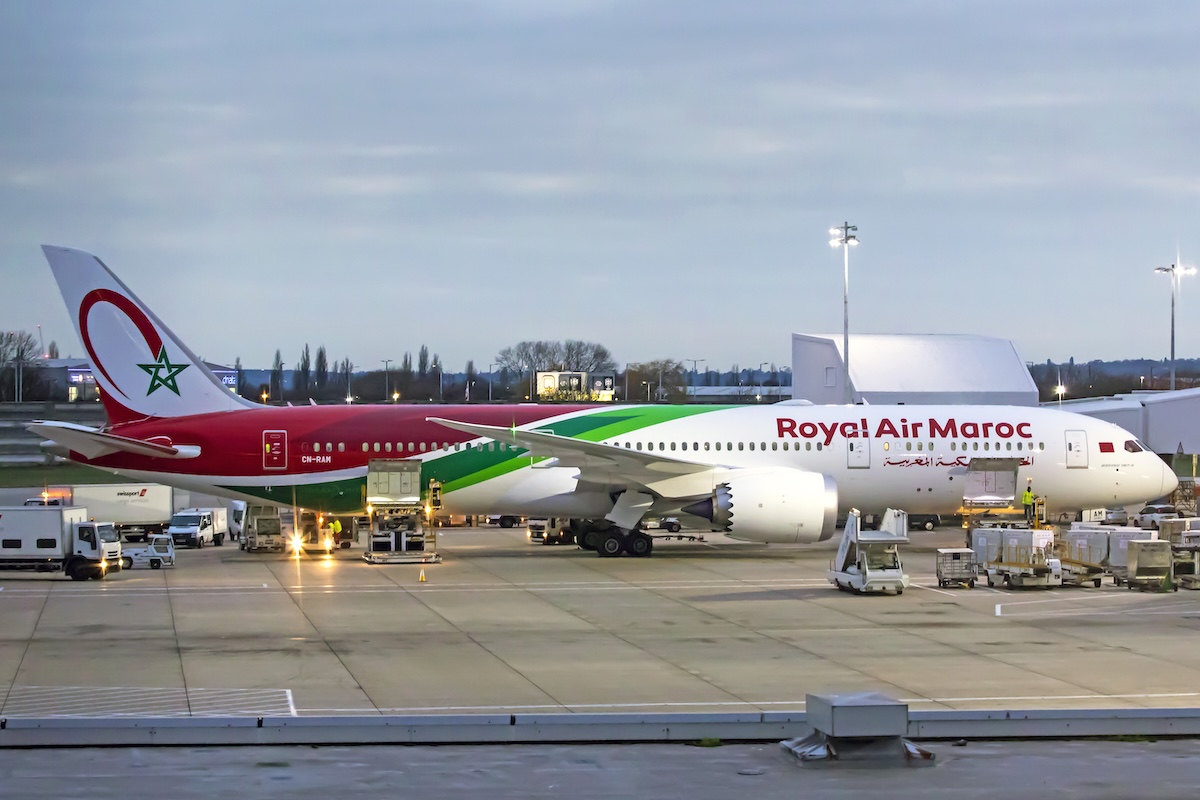
The African aviation industry experienced a landmark year in 2025, marked by significant developments across infrastructure, safety, regulation, and regional collaboration. Major projects included Morocco's $4.17 billion airport expansion plan aimed at doubling capacity and elevating its status as a transit hub. Meanwhile, safety initiatives such as South Africa's overhaul of its Air Traffic and Navigation Services helped stabilize regional airspace amidst persistent safety concerns highlighted by IATA's safety report, which indicated Africa's accident rate remains substantially above the global average.
Regional partnerships and regulatory reforms also gained momentum. Emirates and Nigeria's Air Peace signed an interline agreement to improve connectivity, while Ethiopia's collaboration with the African Development Bank for the $7.8 billion Bishoftu International Airport underscored Ethiopia's ambitions to transform its aviation hub. Furthermore, several countries advanced their aviation sovereignty through local aircraft manufacturing, maintenance, and sustainable fuel initiatives, signaling a shift toward self-reliance.
Innovations such as Rwanda's demonstration of Africa’s first autonomous eVTOL and South Sudan’s first nighttime operations at Juba Airport showcased technological progress. At the same time, a series of national revivals and fleet expansions, including Somalia’s acquisition of Airbus A320s, indicated a renewed confidence in Africa's aviation potential. Nevertheless, challenges persisted, including regional conflicts, governance issues, and legacy aircraft support, emphasizing that the path forward requires continued resilience and strategic reforms. Overall, 2025 marked a turning point where Africa's aviation industry transitioned from late adopter to active player shaping future trends.

