Air India Seeks Access to Xinjiang Airspace as Financial Pressures Intensify
Air India Seeks Access to Xinjiang Airspace as Financial Pressures Intensify
Trending
|
11 months ago
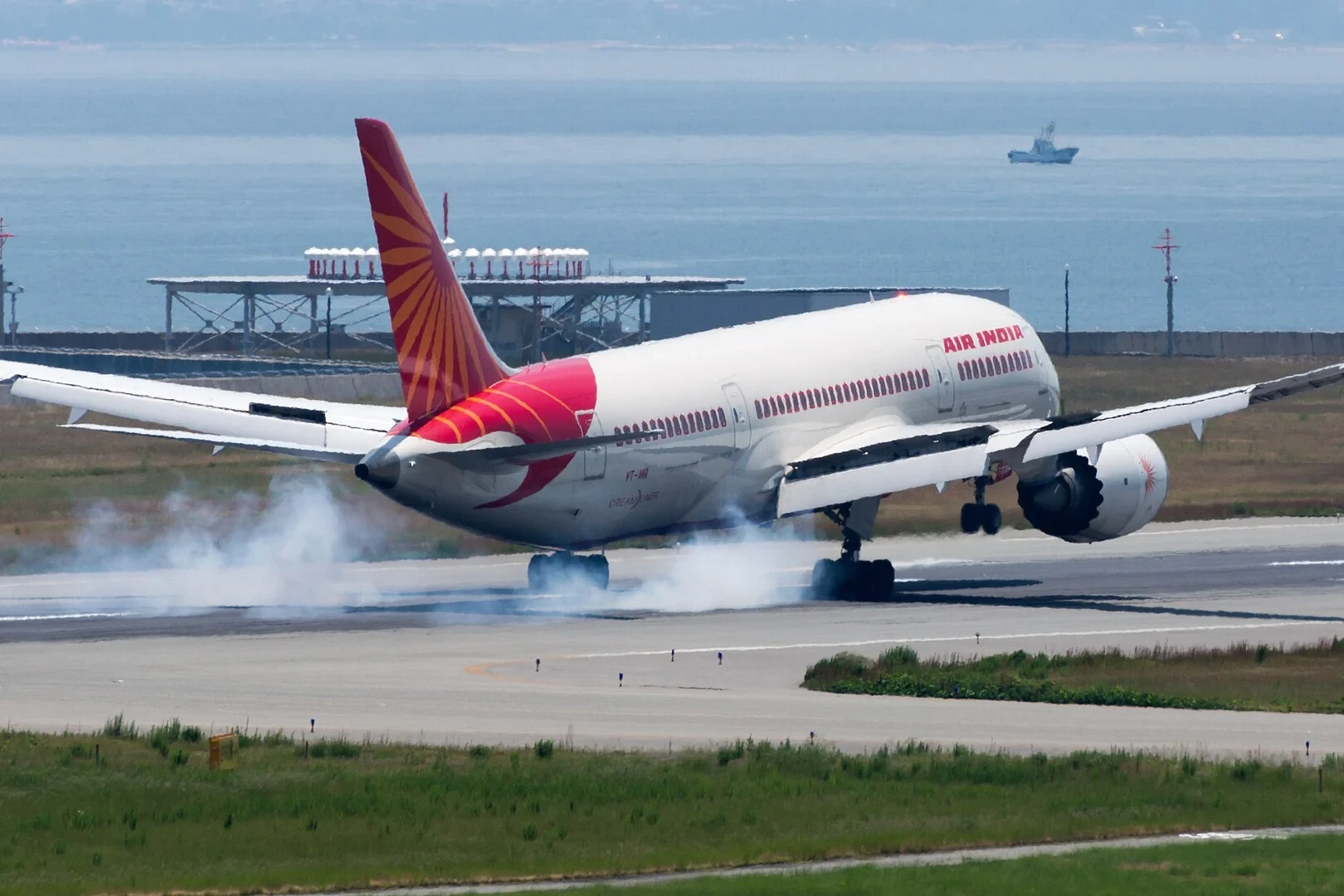
Air India Moves to Secure More Efficient Air Routes
Air India has intensified lobbying efforts to gain access to airspace over China’s Xinjiang region, aiming to shorten key long-haul routes and reduce operating costs. The request comes at a critical time for the airline, which is under pressure to improve financial performance as fuel prices rise and international competition grows. Flying through Xinjiang would open shorter polar and trans-Eurasian routes for flights connecting India to Europe and North America. These corridors significantly cut fuel burn, crew duty hours and block times — three factors that heavily influence profitability for long-haul carriers. Industry analysts say that if approval is granted, Air India could reduce travel time on some routes by up to 90 minutes, giving the airline a competitive edge against Gulf carriers and improving its on-time performance.
The Strategic Importance of Xinjiang Airspace
Xinjiang sits at a crucial geographic intersection linking Asia to Europe. For decades, only a select group of carriers have been allowed to use its airspace due to political sensitivities, military zones and strict oversight by Chinese aviation authorities. Gaining access would allow Air India to connect more directly with European capitals, bypassing longer detours through Central Asia or southern China. Such rerouting would not only improve operational efficiency but also enhance Air India’s global network quality at a time when international expansion is central to its growth strategy. For Beijing, granting or denying access to Xinjiang airspace is often intertwined with diplomacy. Analysts note that any approval would signal a calculated strategic decision and could influence the broader India-China aviation relationship.
Financial Pressures Mount for Air India
The airline is currently navigating one of the most challenging financial phases in its modern history. Despite its ambitious transformation plan, Air India continues to face high fuel costs, a strong U.S. dollar and fierce competition from Middle Eastern hubs offering aggressive pricing and extensive networks. The carrier has invested heavily in new aircraft, upgraded cabins and technology systems — but achieving profitability relies heavily on efficient long-haul operations. Each additional hour of flight time translates into higher fuel consumption and increased crew expenses, making shorter air corridors more valuable than ever. Air India’s management is therefore prioritizing route optimization as part of a broader cost-reduction strategy. Access to Xinjiang airspace is viewed internally as one of the most impactful changes the carrier could secure in the near term.
Geopolitical Dynamics Add Complexity
The request for Xinjiang overflight rights comes amid complex geopolitical relations between India and China. While both nations maintain extensive trade ties, military tensions and border disputes continue to influence diplomatic exchanges, including aviation agreements. Airspace rights are among the most sensitive aviation decisions a government can make. Nations typically weigh military considerations, radar coverage, and national security before granting foreign carriers access to strategic regions. If approved, Air India would join a limited set of carriers able to cross Xinjiang, a region that remains heavily monitored and politically sensitive. Analysts believe any movement on the issue would require high-level government dialogue between New Delhi and Beijing.
The Competitive Stakes in Asian Aviation
Access to shorter northern air routes would strengthen Air India’s competitive position against Gulf carriers such as Emirates, Qatar Airways and Etihad. These airlines have long benefitted from optimized geographic positioning and consistent access to diverse air corridors. By shaving significant time off long-haul sectors, Air India could offer more attractive schedules, improved aircraft utilization and more consistent connections for passengers traveling between India, Europe and North America. Such benefits align with the airline’s long-term goal of becoming a major global connector, a strategy bolstered by the Tata Group’s multi-billion-dollar investment in fleet expansion and service upgrades.
Operational Advantages of Xinjiang Access
Shorter flight paths translate into reduced fuel consumption — the single largest expense for long-haul airlines. With fuel accounting for up to 40% of total flight costs on some routes, even small efficiency gains can result in substantial annual savings. Access to Xinjiang corridors could also improve Air India’s scheduling resilience. Shorter routes provide more flexibility during adverse weather, help maintain crew legalities and reduce delays caused by airspace congestion elsewhere in Asia. Additionally, airlines using longer alternative routes face constraints on payload, including lower cargo capacity. Direct northern paths would allow Air India to carry more cargo on premium transcontinental routes, boosting revenue.
What Comes Next for Air India
Industry observers say the next steps will depend on diplomatic negotiations. Air India has formally expressed interest through government channels, but the timeline for any decision remains uncertain. China has previously adjusted airspace access in response to geopolitical shifts, aviation demand and domestic strategic assessments. Whether India’s national carrier will join the list of approved operators remains to be seen. For now, Air India continues to explore alternative operational efficiencies while preparing contingency plans should access be denied. Meanwhile, the aviation sector will closely watch any signs of progress, given the strategic importance of Xinjiang airspace for future Asia-Europe connectivity.

Airspace Times Team
Aviation news desk
Published: 23 Nov 2025
Share to:
Latest news
Related airlines
Related airports
powered by We Do Dev Work 
We use cookies and similar technologies to enhance your Browse experience, personalize content and ads, provide social media features, and analyze our traffic. By clicking 'Accept All' or continuing to use our website, you consent to the use of cookies as described in our Cookie Policy