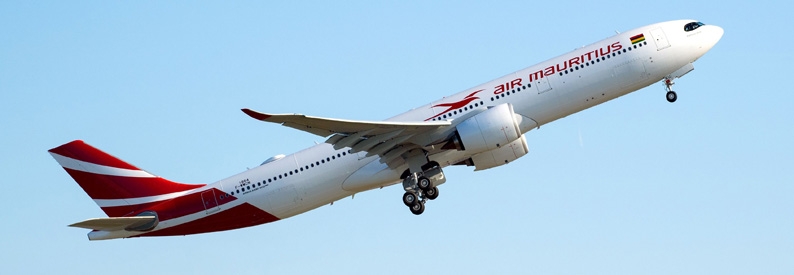
Air Mauritius is considering adding smaller narrowbody aircraft such as the Airbus A321-200XLR and Boeing B737 MAX to its fleet as part of a broader "Game Changer" strategy aimed at modernizing operations, improving efficiency, and positioning the airline for long-term growth, according to CEO André Viljoen.
Viljoen highlighted that these aircraft would be better suited for routes to destinations like Johannesburg O.R. Tambo, Cape Town International, Kuala Lumpur International, and Mumbai International, enabling increased frequency and lower operating costs compared to the airline’s current widebody fleet, which includes Airbus A330-200 and A330-900N models. The smaller aircraft would also offer greater flexibility with over 300 seats, although they would carry less cargo.
The airline currently operates 11 aircraft, including four Airbus A350-900s, two Airbus A330-900neos, one Airbus A330-200, and four ATR72-600 turboprops. It has ordered three additional A350-900s, scheduled for delivery in late 2026 and 2028. Alongside fleet expansion, Air Mauritius is conducting a significant network review with consulting firm Seabury APG, exploring potential nonstop routes that could position Mauritius as a hub connecting Africa, Europe, Asia, and Australia. The strategic review aims to develop a 10-year plan to restore market share and increase revenues.
In addition to operational changes, the airline is undertaking a corporate turnaround to improve employee morale and organizational stability. Initiatives include restructuring the human resources division, introducing voluntary retirement schemes, and implementing merit-based recruitment and promotion processes. A new organizational structure and leadership development programs are also underway, emphasizing a cultural shift toward accountability, honesty, care, and respect, supported by behavioural guidelines for staff.
Fleet and network transformation
Viljoen emphasized that the ongoing network and fleet strategy aim to reposition the airline competitively over the next decade, leveraging operational efficiencies and expanding its route network to capture new markets.

