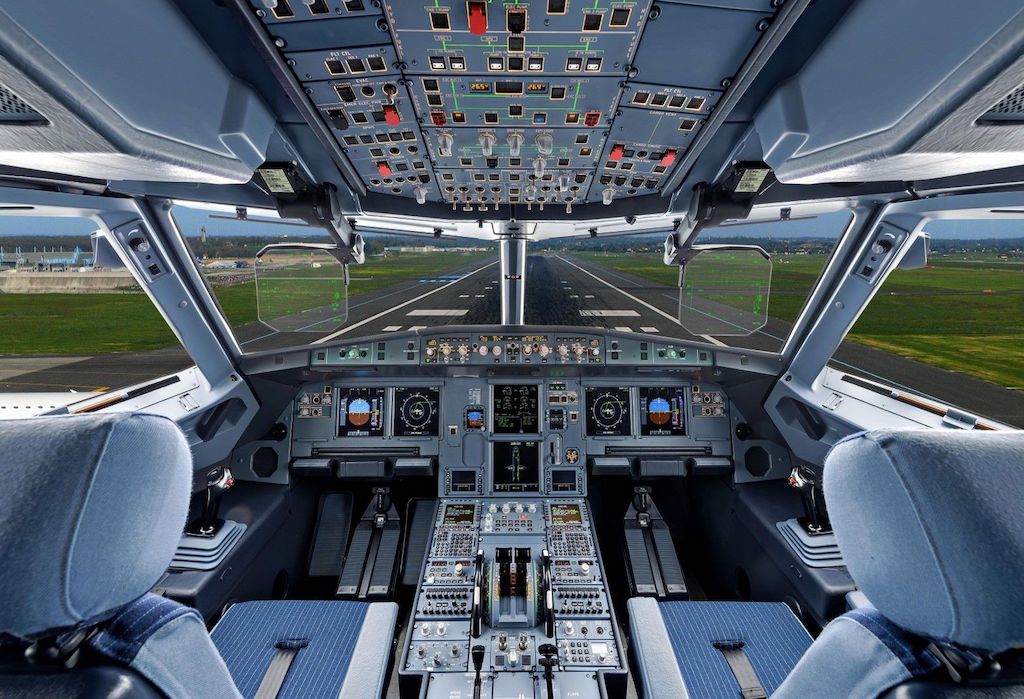
Airbus is intensifying its efforts in cockpit innovation, targeting enhanced connectivity and automation features to maintain its technological edge in the aviation industry. The company's ongoing focus on Integrated Modular Avionics (IMA) allows for consolidating multiple aircraft systems into shared computational platforms, exemplified by the Airbus A350, which benefits from reduced weight and increased operational efficiency.
Recent developments include expanding these platforms to support advanced data analytics and artificial intelligence applications. These systems will enable predictive maintenance, adaptive flight management, and greater situational awareness through larger, reconfigurable cockpit displays that integrate navigation, weather, traffic, and system data into a cohesive interface.
Building a Holistic Operational Picture
Airbus is also incorporating external data sources, such as satellite weather feeds and air traffic information, to create a comprehensive understanding of the operating environment. Next-generation alerting systems combining onboard sensors and ground-based data are being developed to improve runway safety and respond to regulatory demands following recent near-misses.
Connectivity remains a core theme, with plans for aircraft cockpits to be linked in real time to airline operations, maintenance facilities, and air traffic control, allowing for faster, more coordinated responses. Airbus’s investment in automation includes exploring higher decision-making levels for AI-driven tools capable of optimizing flight paths, energy management, and emergency procedures.
The company emphasizes scalable, adaptable avionics architectures that support various aircraft models. Additionally, Airbus is investigating technologies to enable reduced-crew flights during cruise phases, contingent upon reliable automation and backup systems.
"Our focus on integrated, connected, and automated cockpit systems ensures Airbus remains at the forefront of aviation technology," said Chief Innovation Officer.
The rivalry with Boeing continues, with Airbus prioritizing integration and automation, while Boeing emphasizes transparency and pilot control. Both strategies are vying for airline acceptance and regulatory approval, shaping the future landscape of commercial aviation.

