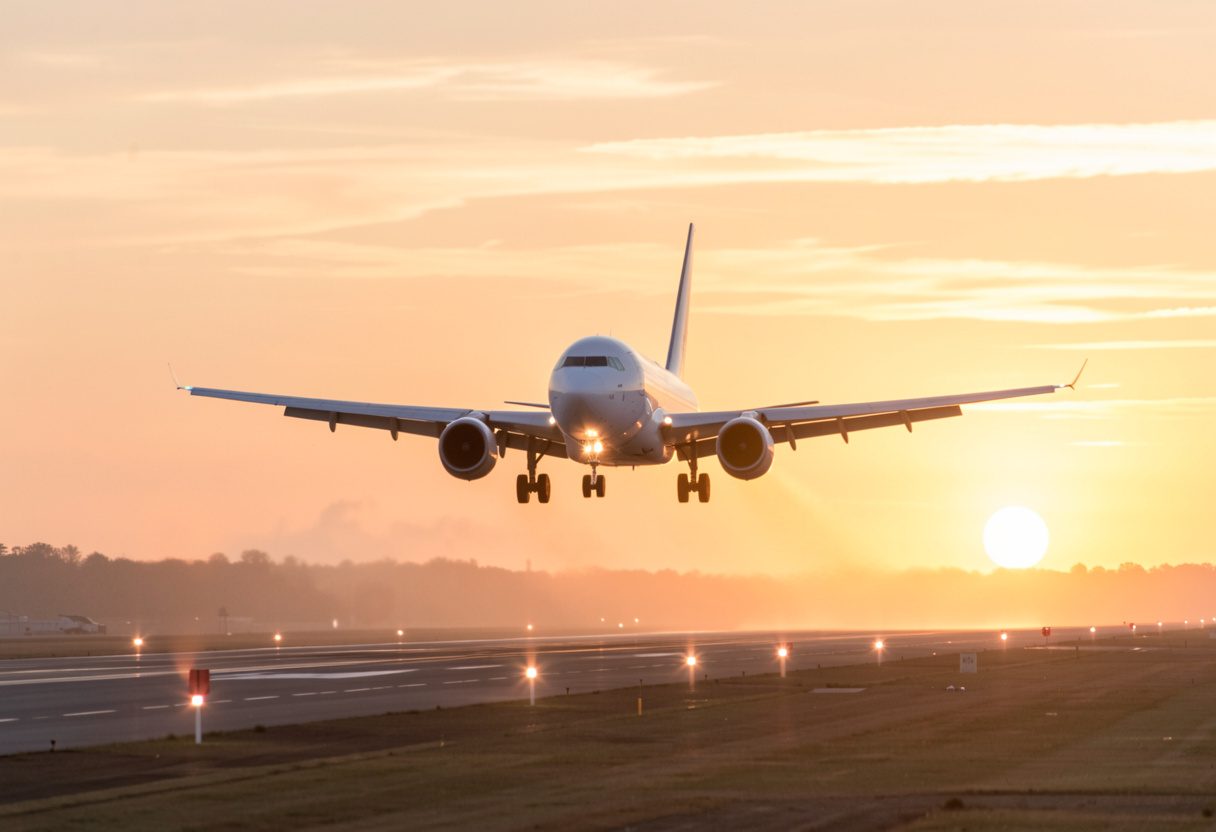
Leading Asian airlines have announced a coalition committed to achieving net-zero carbon emissions by 2050, emphasizing the role of sustainable aviation fuel (SAF) and fleet modernization. The alliance includes Singapore Airlines, Cathay Pacific, ANA Group, Japan Airlines, and Korean Air, all working towards strategic goals aligned with international standards such as CORSIA to reduce their environmental impact.
Singapore Airlines has set a target of deploying 5% SAF by 2030 and renewing approximately 90% of its fleet with new-generation aircraft by 2030. Meanwhile, Cathay Pacific is aiming for zero net emissions by 2050, with intermediate ground and flight emission reduction targets. Other airlines, including ANA, JAL, Korean Air, Garuda Indonesia, and several Middle Eastern carriers, have also outlined ambitious plans for emission reductions, SAF adoption, and operational efficiency improvements.
Despite significant progress, challenges such as SAF supply limitations and high costs persist. Many airlines are participating in schemes like the book-and-claim system and offsets to bridge current gaps. Governments across Asia are beginning to introduce supportive policies, including mandates and incentives, to facilitate wider SAF adoption. The collaborative efforts among the regional carriers demonstrate a shared commitment to sustainability, leveraging innovation and regional cooperation to secure a greener future for aviation in Asia.

