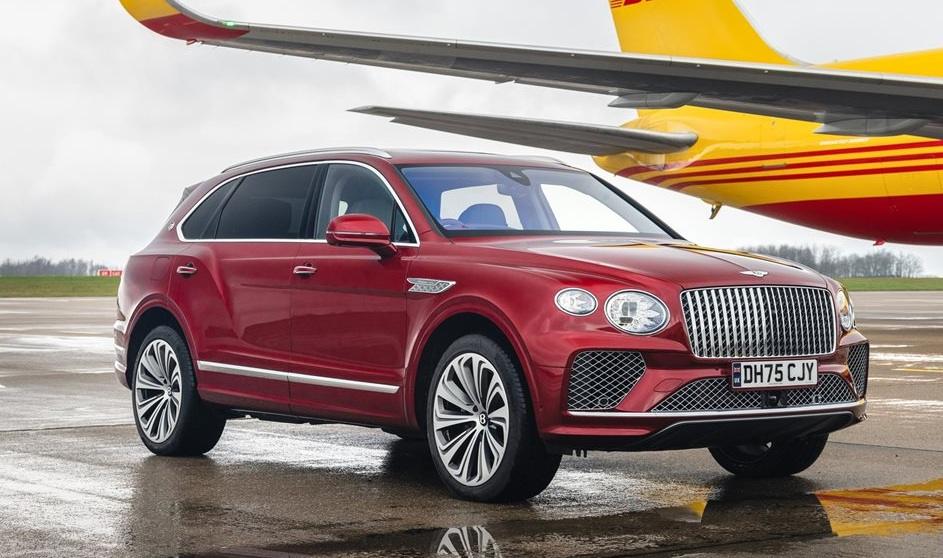
In a move aligned with its environmental commitments, Bentley Motors has announced it will now use 100% sustainable aviation fuel (SAF) for all its customer car airfreight shipments globally, effective immediately. This initiative aims to significantly lower emissions produced during air transportation, which Bentley acknowledges as a critical part of its broader sustainability strategy.
The luxury automaker’s "Beyond100+" plan seeks to achieve end-to-end carbon neutrality by 2030 and includes transitioning its entire vehicle lineup to electric powertrains. As part of this effort, Bentley is shifting to hydrotreated vegetable oil (HVO) for its in-house logistics vehicles, and all corporate operations are powered by renewable fuels or electricity.
Reducing Impact of Air Freight
According to Aimee Kelly, Bentley’s Head of Sustainability, this move to using certified SAF provides a measurable reduction in lifecycle CO₂ emissions compared to traditional jet fuels. She emphasized that airfreight is only employed when absolutely necessary, such as at customers’ request or for market constraints, owing to its higher emission profile compared to sea transport. Extending SAF to additional logistics routes is under consideration to further diminish environmental impact.
“This initiative forms part of Bentley’s broader programme to reduce operational and value chain emissions in line with our long term Net Zero ambition. By integrating SAF into our logistics operations in this transparent and verifiable way, we’re strengthening the foundations needed to deliver our long term climate goals, while supporting our customers and markets with more responsible distribution practices,”
Kelly added that SAF’s verified lifecycle emission reductions serve as a meaningful lever within Bentley’s decarbonization strategy, demonstrating the company’s commitment to responsible logistics and environmental stewardship.

