Budget Airlines Seek Federal Lifeline Amid Soaring Fuel Costs, Spirit Faces Bankruptcy
Budget Airlines Seek Federal Lifeline Amid Soaring Fuel Costs, Spirit Faces Bankruptcy
Trending
|
5 months ago
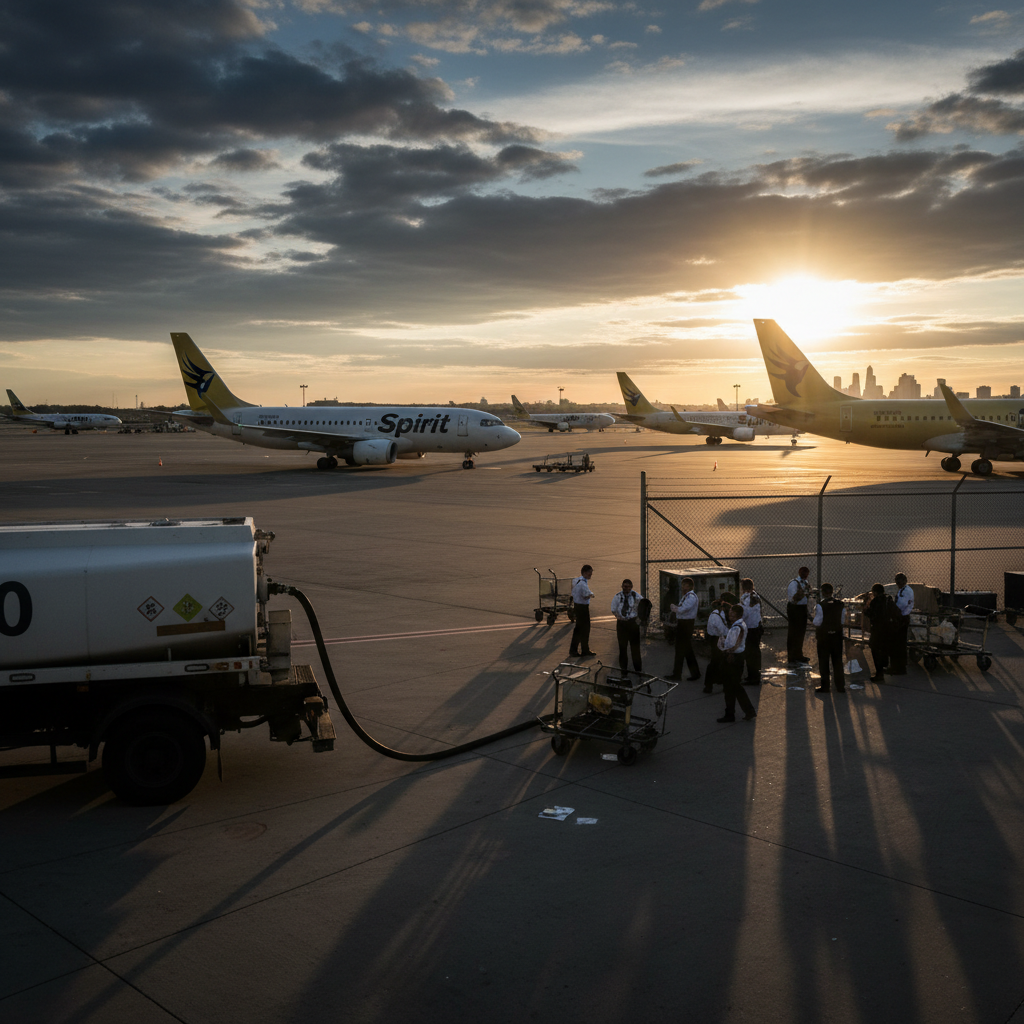
May 1, 2026 — Several U.S. budget airlines escalated their appeal for federal assistance this week, requesting a $2.5 billion lifeline from the government. This urgent request comes as soaring jet fuel prices, attributed to the ongoing conflict with Iran, place immense pressure on the low-cost carrier business model. Spirit Airlines, in particular, is engaged in separate negotiations for a $500 million government bailout to avoid potential bankruptcy.
The situation highlights a critical challenge for the budget aviation sector, which relies heavily on maintaining low operating costs to offer affordable fares. The sudden and significant increase in fuel expenses threatens this fundamental aspect of their operations.
Rising Fuel Prices Impact Sector
Jet fuel prices have reportedly doubled, creating financial strain across the entire airline industry, including major carriers like American, Delta, United, and Southwest. However, budget airlines face a more precarious position. According to David Shepardson, an aviation, transportation, and technology correspondent at Reuters, these carriers have less flexibility to raise ticket prices due to their price-sensitive customer base.
Shepardson noted, "Everybody is suffering... But the budget guys are in a tougher spot, in part because they have got less room to raise prices. Their consumers are much more price-sensitive, so it's harder to raise fares and keep those planes filled."
Federal Aid and Fuel Tax Waivers
Beyond the $2.5 billion direct aid, budget airlines are also lobbying Congress to waive federal fuel taxes, which contribute to the overall cost of air travel. The total request, encompassing both the direct financial assistance and tax waivers, represents a substantial ask from the federal government. As of the time of reporting, there is no indication that Congress or the current administration is prepared to approve such measures, although this stance could change if more airlines face severe financial distress or bankruptcy.
Spirit Airlines on the Brink
Spirit Airlines' independent negotiations for a $500 million bailout are critical, with the airline's attorneys suggesting that a failure to secure funding could lead to liquidation. This potential collapse underscores the severe impact of current fuel costs on the low-cost segment. The proposed government bailout could involve the Trump administration acquiring a significant ownership stake in the airline, a structure reminiscent of previous government interventions.
While the scale of this crisis is not directly comparable to the unprecedented challenges of the COVID-19 pandemic, which saw the airline industry receive $54 billion in government funding across multiple rounds, the rationale for assistance shares similarities. Past bailouts often included provisions for the government to receive warrants convertible into stock, enabling a return on investment if the airlines recovered. The current situation, driven by geopolitical conflict and its economic fallout, presents a new test for the resilience of the aviation sector and the government's role in supporting critical industries.

Share to:
Latest news
Related airlines
powered by We Do Dev Work 
We use cookies and similar technologies to enhance your Browse experience, personalize content and ads, provide social media features, and analyze our traffic. By clicking 'Accept All' or continuing to use our website, you consent to the use of cookies as described in our Cookie Policy