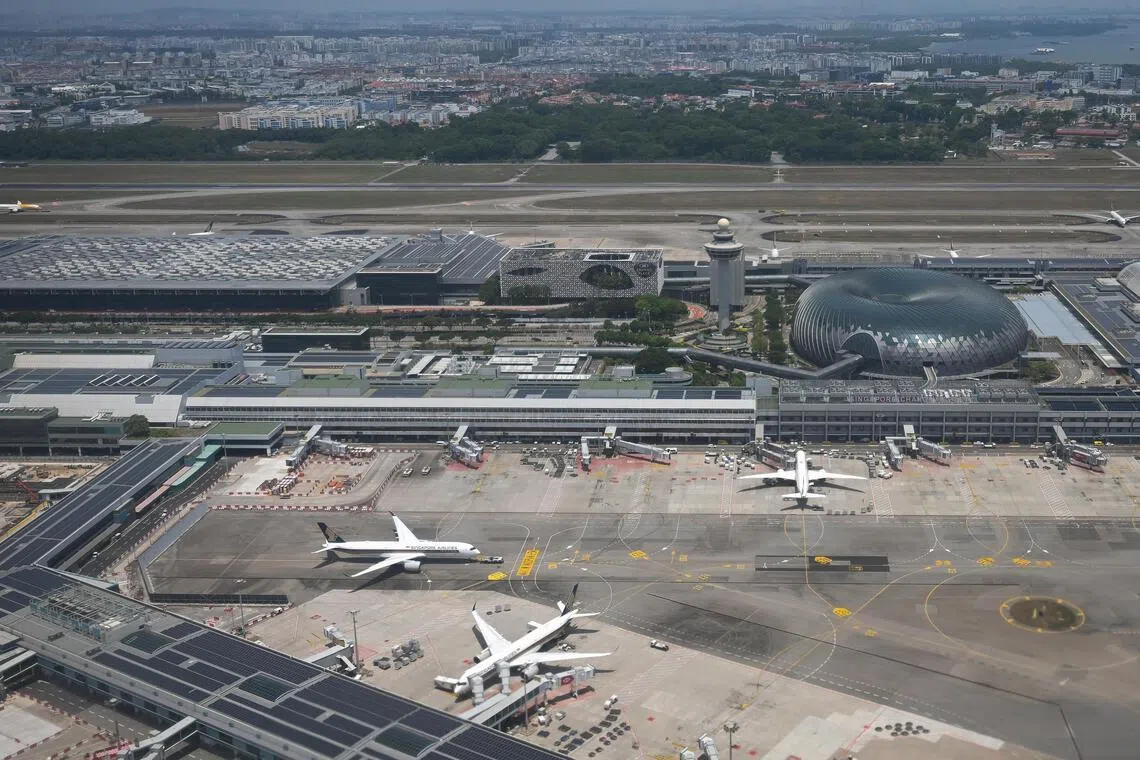
Singapore's Changi Airport has demonstrated resilience by managing a significant surge in transit traffic caused by recent Middle East airspace closures. In March, the airport added 46 services, or 92 flights, mainly between Singapore and European destinations, highlighting its role as a vital global hub amid ongoing geopolitical disruptions.
Experts note that Changi's geographic location, combined with Singapore Airlines' extensive network and Singapore's political stability, allowed it to fill the void left by Gulf airports, which grounded most flights. This shift has temporarily boosted passenger traffic and elevated airfares, with prices for Singapore-Europe routes doubling since February.
Future Outlook and Challenges
While the short-term outlook appears positive, analysts caution about long-term uncertainties. The conflict’s duration, potential market share recovery by Gulf carriers, and geopolitical developments remain unpredictable. Airlines are adjusting flight schedules; for instance, Batik Air Malaysia will operate fewer flights to Malaysian cities, and Cebu Pacific plans network modifications due to increased fuel costs.
"The conflict has stress-tested Changi’s role in global aviation, and the airport has passed,"
said Mr. Mayur Patel, from OAG Aviation. He explained that airlines are adopting longer routes to avoid Middle Eastern airspace, leading to increased fuel consumption and higher fares. Despite capacity constraints, Changi's current capacity is about 90 million passengers annually, up from 70 million in 2025.
Passenger fares from Singapore to destinations like London are now significantly higher, driven by longer routing and fuel costs, impacting travelers directly. The industry remains cautious, with many factors influencing future traffic levels and operational strategies in the coming months.
In conclusion, although Changi Airport has successfully managed the crisis so far, ongoing geopolitical tensions and economic factors will determine its long-term resilience and growth prospects.

