China's Growing Influence in Global Aviation Certification and Infrastructure
China's regulatory and infrastructural advancements are positioning it as a major player in global aviation. Recognizing CAAC certification, Brunei has set a precedent for other nations in Southeast Asia, signaling a shift away from traditional Western dominance of aircraft approval processes. China’s rapid certification of electric and hybrid aircraft domestically, combined with extensive overseas airport projects through the Belt and Road Initiative, enhances its influence in global aviation infrastructure and standards.
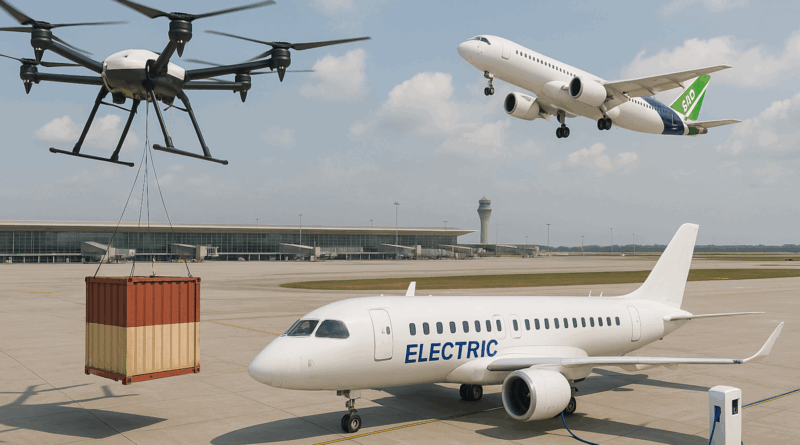
The country's domestic market expansion, exemplified by the widespread use of drones and the certification of new aircraft models like the EHang EH216-S and the AutoFlight CarryAll, demonstrates the acceleration of Chinese technological capabilities. While Western agencies like the FAA and EASA develop detailed frameworks, China employs a more direct, project-based certification approach, allowing faster deployment of innovations such as electric VTOL aircraft and autonomous drones.
This shift is further reinforced by the massive scale of drone operations in Chinese cities like Shenzhen, where hundreds of thousands of low-altitude flights are managed via integrated 5G and satellite systems. These developments exemplify China's ambition to develop a low-altitude economy and a digital traffic management system that integrates manned and unmanned aircraft operations, potentially transforming the landscape of regional air mobility.
"Brunei’s recognition of CAAC standards signals a new era where Chinese certification becomes a global standard," said Michael Barnard.
However, Western regulators are facing credibility challenges, especially after the Boeing 737 MAX incidents, which have diminished the perceived independence of the FAA. China's strategic move to develop independent and self-sufficient aircraft systems aims to reduce reliance on Western technology, positioning China as a full-sovereignty leader in aviation. This momentum, coupled with a growing number of CAAC-approved aircraft and airports around the world, suggests a permanent transformation towards a multi-polar certification landscape, with China at the forefront.

