A recent study highlights the potential for significant reductions in aviation emissions through improved aircraft efficiency. Despite ongoing challenges in decarbonising air travel, the industry can achieve meaningful environmental impact by rethinking operational practices and cabin layouts.
Air travel remains one of the most difficult sectors to decarbonise, with passenger numbers steadily rising. While electric aircraft and sustainable fuels are still in development and are unlikely to provide immediate solutions, optimizing existing fleet operations presents an alternative pathway.
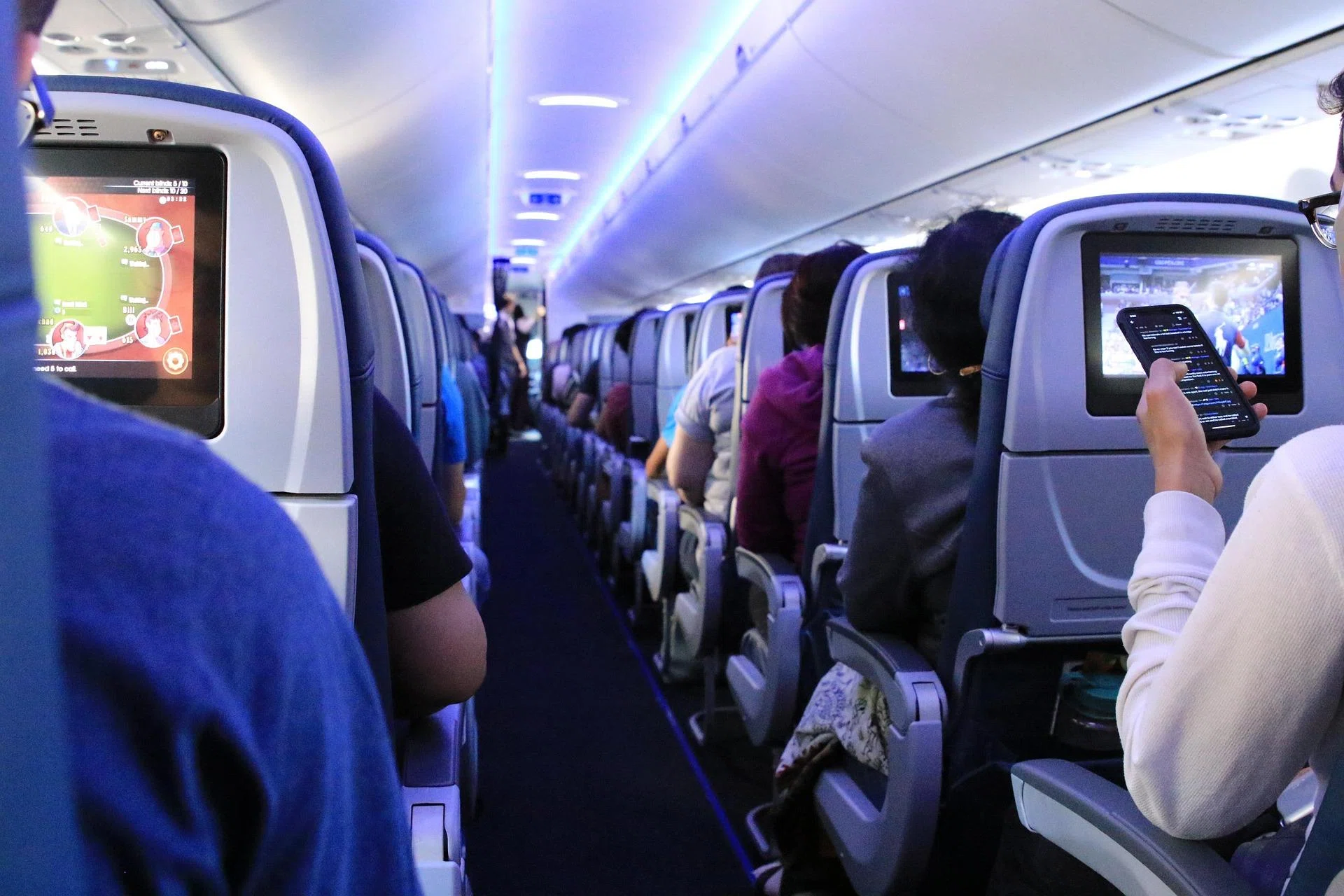
Research indicates that operating aircraft at maximum seating capacity could slash global emissions by between 26% and 57%. From 1980 to 2019, the share of occupied seats in commercial flights increased from 63% to 82%, driven by airline incentives to maximize revenue and reduce waste.
Implementing these efficiencies could dramatically reduce the industry’s carbon footprint, making a substantial contribution to climate change mitigation efforts. The study underscores the importance of operational reforms alongside technological advancements in aviation sustainability.

