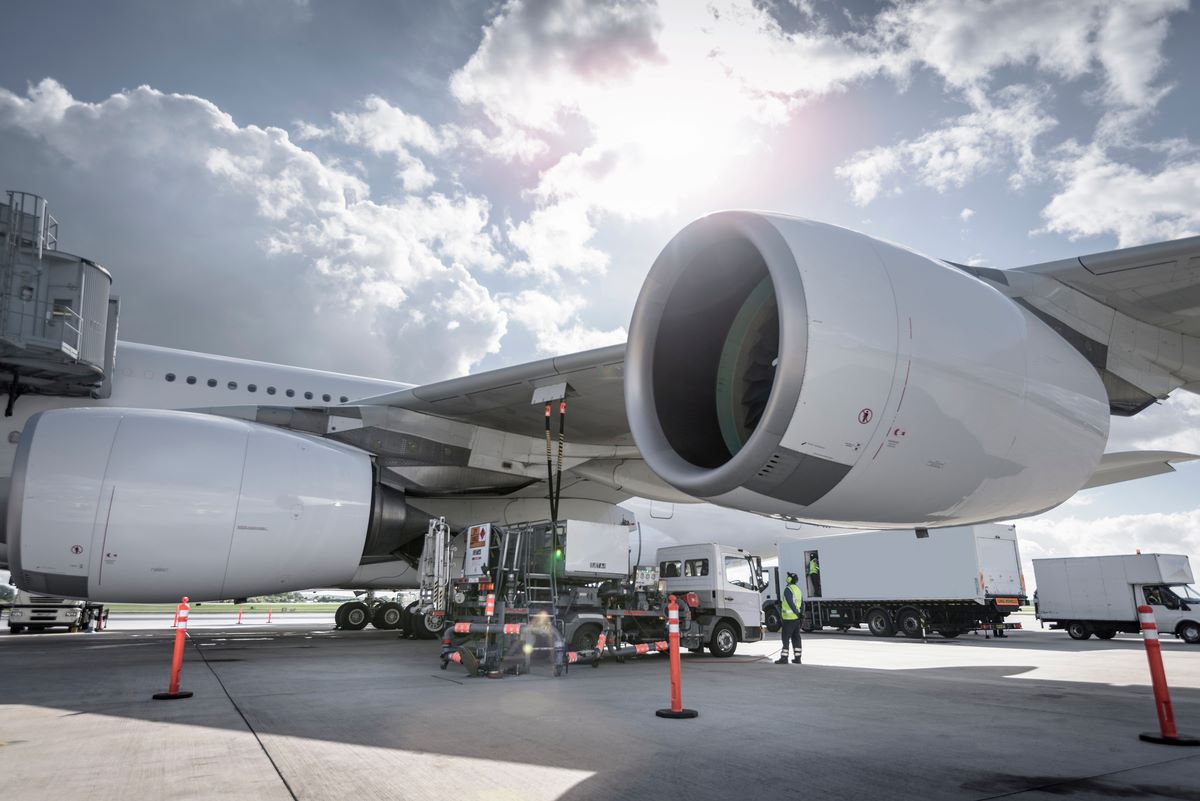
The aviation industry is increasingly leveraging data to improve operational efficiency and environmental outcomes. A recent report highlights that airlines can significantly reduce ground fuel consumption by optimizing ground operations through better data sharing and coordination among airports, airlines, and air navigation providers.
For instance, current estimates show that the Airbus A320 fleet consumes approximately 54kg of fuel per flight while stationary on the ground, amounting to hundreds of millions of dollars annually in wasted fuel. The Boeing B777 fleet consumes about 200kg per flight in similar conditions. This idle fuel burn leads to substantial emissions, contributing to the industry's carbon footprint.
Using Data to Address Ground Delays
By utilizing IATA FuelIS data, industry stakeholders can identify areas of inefficiency and implement targeted solutions. Programs like Airport Collaborative Decision Making (A-CDM) facilitate real-time data exchange, enabling better coordination to reduce delays, pushback times, and holding patterns. These measures not only decrease fuel costs but also lessen carbon emissions—specifically, reducing approximately 900 kilotons of CO₂ annually for the A320 fleet alone.
Enhanced data collection and analysis support a more predictable and environmentally responsible air transport sector. IATA plays a key role by aggregating global data on safety, emissions, flight schedules, and more. The continued utilization of these insights is vital to reaching commitments such as net-zero carbon emissions by 2050.

