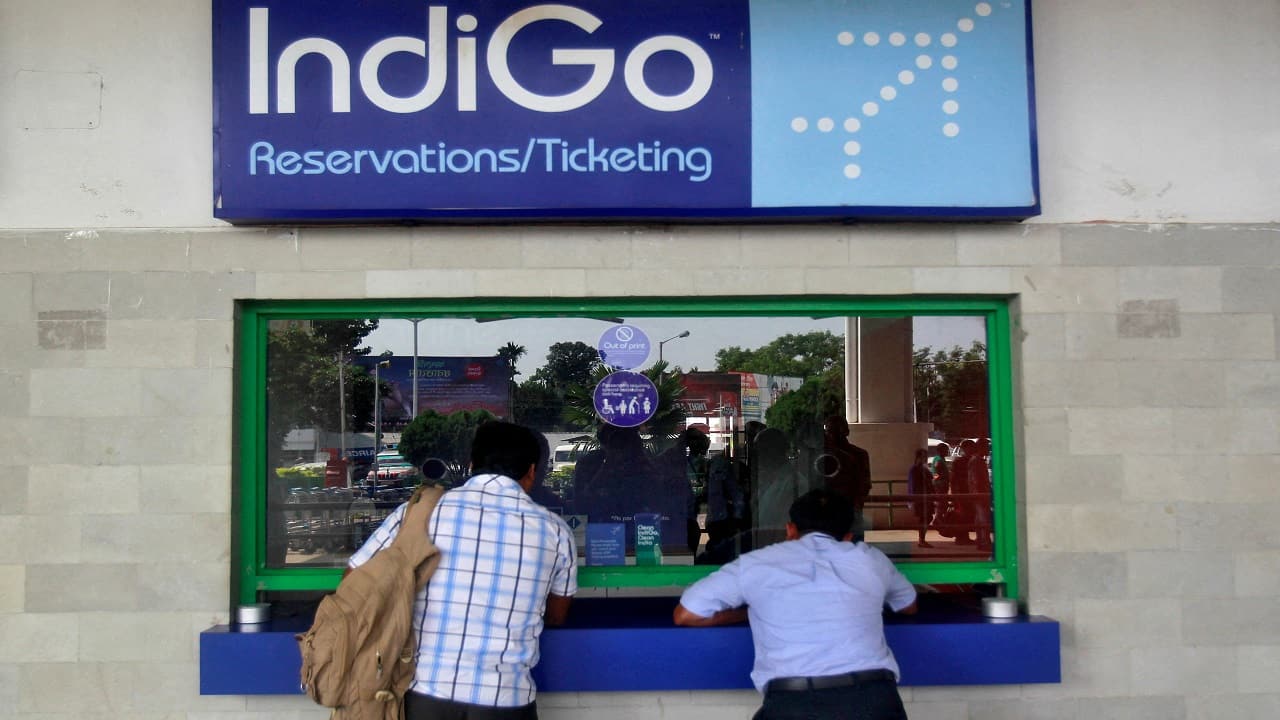
The recent airline disruptions in India, primarily affecting IndiGo, reveal significant vulnerabilities in the country's aviation market structure and regulatory oversight. IndiGo, known for operational efficiency and scale, faced a breakdown that resulted in over 300 flight cancellations and widespread delays across major airports, exposing systemic fragilities.
Experts note that IndiGo's dominance—carrying over half of domestic air passengers—indicates a market where scale has become both an advantage and a source of fragility. The failure to adequately buffer known risks, including regulatory transitions and seasonal weather effects, led to a collapse in operational resilience. The disruption also underscored issues in information accuracy, as airline digital platforms continued to show “on time” status while airport screens reflected significant delays, creating confusion and financial losses for passengers.
Regulatory and Market Structural Weaknesses
The crisis exposes a regulatory vacuum, where oversight has not expanded proportionally with airline capacity. The lack of proactive supervision has left staffing, surveillance, and contingency planning inadequate. Authorities have been criticized for a reactive approach, focusing on appearances rather than anticipation and preparedness. This systemic oversight deficit amplifies the risks associated with market concentration.
Additionally, the concentration of market share among two airlines hampers systemic flexibility—when one faces failure, there is limited capacity to redistribute traffic or absorb shocks effectively. The article advocates for regulatory restructuring, including classifying systemically important airlines and enforcing higher supervision standards for dominant carriers.
“The airline disruption must be recognized as a failure of market design and regulatory oversight,”said Srinath Sridharan, emphasizing the need for anticipatory governance and systemic resilience.
Looking ahead, the article calls for a comprehensive review of India’s aviation regulatory framework, technological adoption, and infrastructure policies to prevent recurring breakdowns. Without such reforms, market fragility is expected to persist, affecting not only aviation but critical infrastructure sectors across the economy.
In conclusion, the recent events serve as a warning of deep-seated vulnerabilities created by market concentration, regulatory gaps, and information deficiencies that could threaten broader economic stability.

