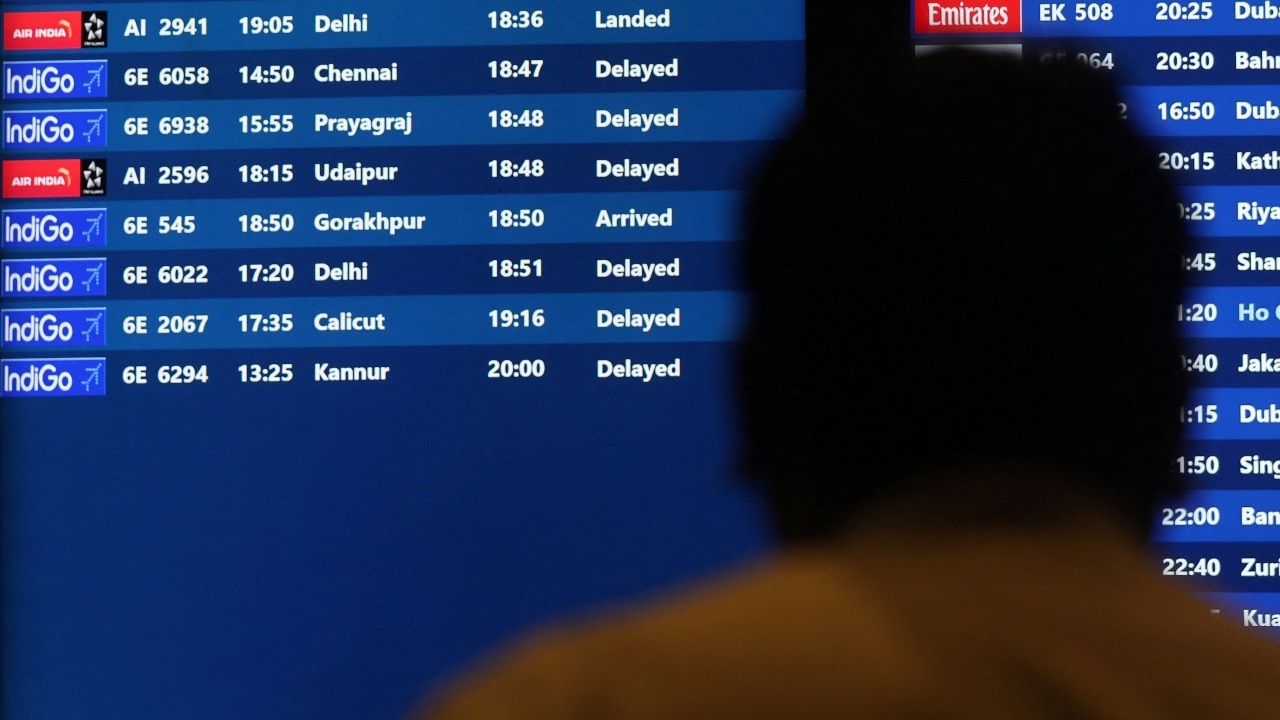
India's aviation sector has encountered notable operational disruptions, primarily stemming from the dominance of two major airlines, IndiGo and Air India. Recent weeks revealed IndiGo's cancellation of more than 1,000 flights, with many airports experiencing cascading delays and a significant drop in on-time performance, exposing the systemic vulnerabilities of India's concentrated airline market.
The sector's infrastructure and resource limits have been strained, with regulatory changes like the new Flight Duty Time Limitations further stretching airline operations. Smaller carriers are unable to compensate for these disruptions, leading to higher fares and widespread inconvenience for passengers throughout the country.
Industry experts emphasize that reliance on a duopoly controlling over 86% of the market leaves India exposed to systemic risks. The situation underlines the urgent need for diversification of the market, deployment of operational buffers, and policies aimed at fostering deeper competition to safeguard future stability.
As India advances toward becoming the world's third-largest aviation market, the current concentration jeopardizes sustainable growth. Until structural challenges are addressed, routine operational disruptions are likely to persist, impacting travelers and the nation's broader aviation infrastructure.

