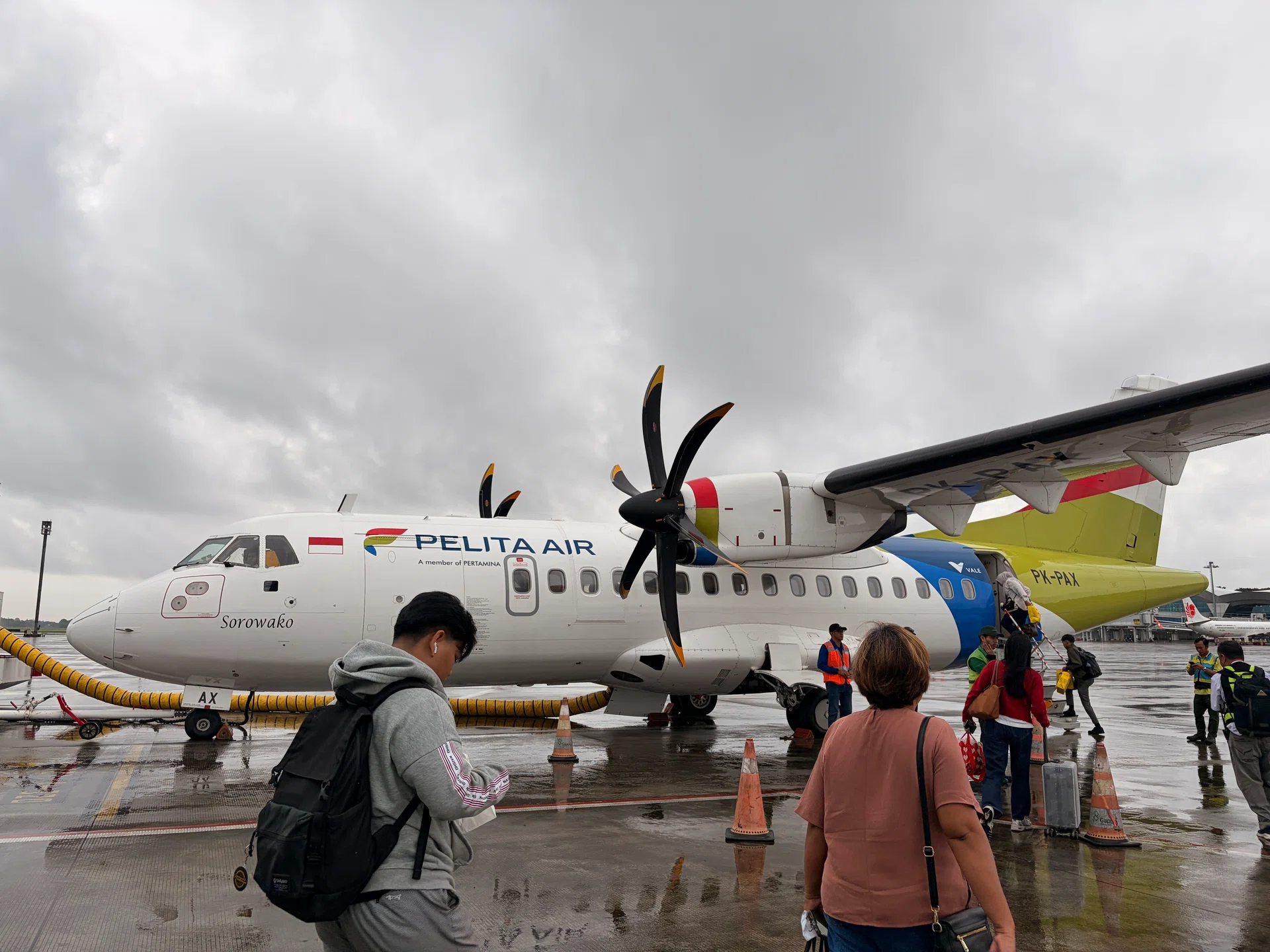
Indonesia has announced that its airlines will be permitted to increase fuel surcharges by up to 38%, amid significant increases in aviation fuel prices driven by geopolitical conflicts in the Middle East. The government plans to implement these surcharges starting April 6 for a period of two months, with a review scheduled to adjust the policy based on ongoing oil market conditions.
The surge in fuel prices, which have risen approximately 70% to about 23,000 rupiah per litre, has considerably increased the operating costs for airlines, which typically spend around 40% of their expenses on fuel. To counteract the impact on consumers, authorities will also introduce measures such as absorbing the 11% VAT on economy-class flights and providing monthly subsidies totalling around 1.3 trillion rupiah to support the airline industry.
Government Measures and Industry Response
Minister Airlangga Hartarto emphasized that the new policies are designed to cushion airlines from the rising energy costs while attempting to limit fare increases to around 13%. Additional support includes flexible payments to Pertamina, Indonesia's state-owned fuel producer, and the elimination of import duties on aircraft spare parts, aiming to reduce maintenance costs. These strategic measures are part of Indonesia’s broader efforts to maintain economic stability amidst volatile energy markets, with the government also maintaining subsidized fuel prices as long as global oil prices remain below US$97 per barrel.
The government's approach reflects a recognition of fuel being a major cost component for airlines and a desire to support the sector during a period of heightened global uncertainty. As the conflict persists in the Middle East, Indonesia has positioned itself to balance industry needs with consumer protection, aiming to prevent sharp increases in airfare while managing rising operational costs.

