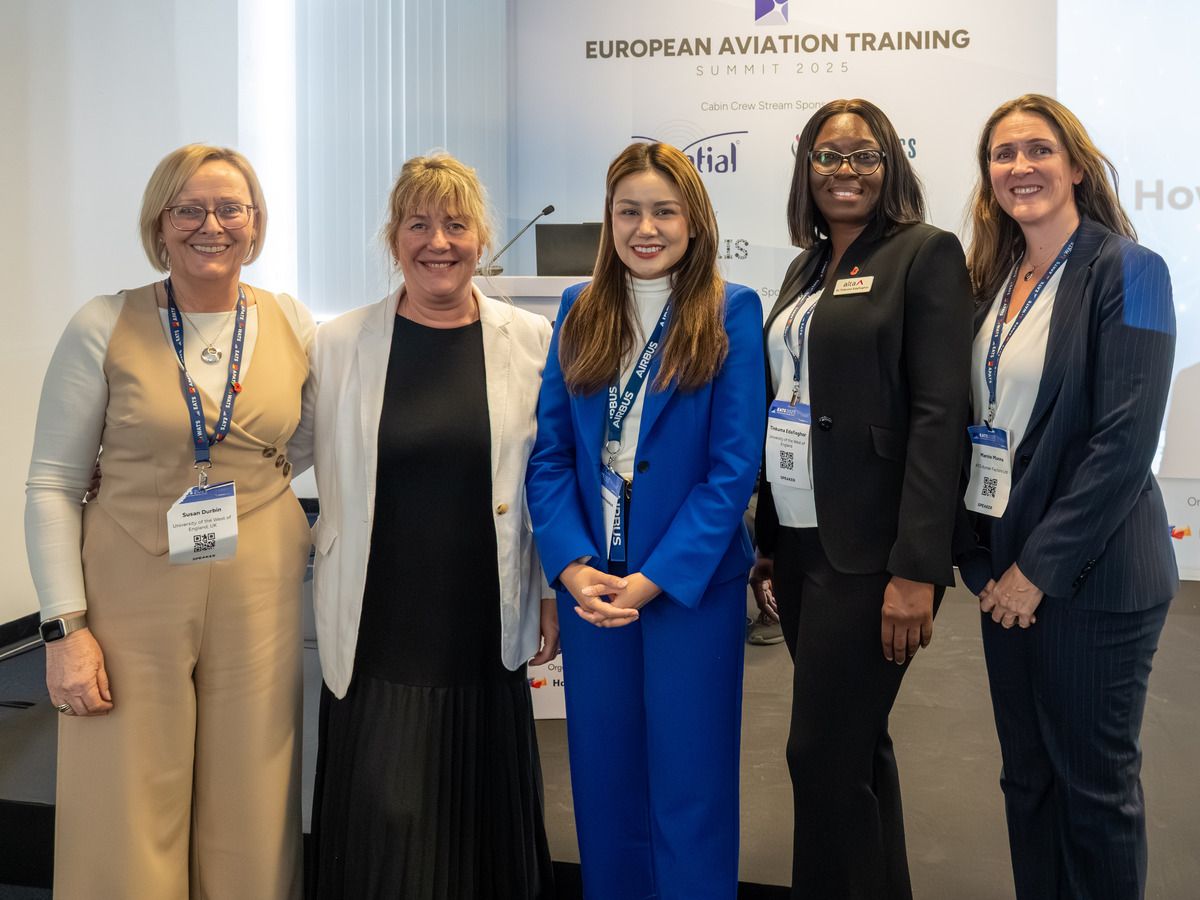
The Women in Aviation Training (WiAT) session at EATS 2025 highlighted the industry's focus on developing a sustainable and inclusive aviation training workforce. Attendees, including trainers, airline representatives, and regulators, discussed critical challenges such as inflexible employment models and cultural stereotypes that hinder recruitment and retention.
Participants emphasized that current structures often make it difficult for talented individuals, especially women and those with family commitments, to pursue careers as aviation trainers. Suggestions included adopting flexible contracts and support systems that enable a better work-life balance, aiming to attract and retain skilled instructors.
Financial and Cultural Barriers to Entry
The industry also explored financial barriers, noting that trainers are frequently paid only for simulator hours, with little recognition for preparatory work. The loss of flying allowances discourages pilots from transitioning into training roles, impacting workforce stability.
Moreover, gender and age stereotypes continue to influence perceptions of credibility, making it harder for female and younger instructors to establish authority. Industry leaders called for redefining qualifications of expertise and promoting inclusive leadership to accelerate cultural change.
Motivation for instructing was identified as deeply personal, with many pilots valuing both flying and teaching. To make instructing a desirable career, the sector needs to enable trainers to maintain their pilot identity and offer clear career pathways.
Overall, the session underlined that curriculum reform alone is insufficient. Building an inclusive culture, implementing flexible working arrangements, and utilizing data-driven recruitment are essential strategies for ensuring a resilient and diverse training workforce capable of supporting future industry growth.

