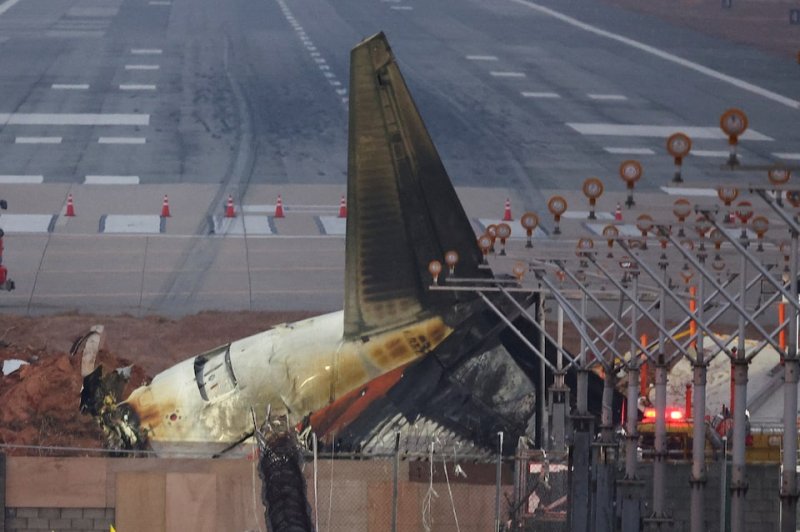
One year after South Korea’s deadliest aviation disaster, the investigation into the Jeju Air crash that resulted in 179 fatalities has experienced significant delays. Families of the victims are voicing their frustrations as they demand transparency and accountability.
The investigation, led by South Korea’s Aviation and Railway Accident Investigation Board, is now unlikely to meet its deadline for releasing an interim report, which is mandated under international aviation regulations. The crash occurred on December 29, 2024, when a Jeju Air Boeing 737-800 made an emergency belly landing at Muan airport, overshot the runway, and collided with a concrete embankment before catching fire. Only two individuals survived out of 181 on board.
A preliminary report indicated bird strikes as the cause of engine failure, but subsequent investigations revealed that the pilots shut down the less-damaged engine, which has caused controversy among families who feel the investigation may be biased or incomplete. Some relatives have staged protests, including head shaving and demonstrations in Seoul, calling for independent inquiries.
The structural integrity of the embankment beyond the runway has also come under scrutiny. South Korea’s anti-corruption agency recently reported that the barrier violated safety standards, as such structures are supposed to break apart on impact to minimize damage, potentially worsening the accident’s severity.
Under ICAO rules, authorities should publish a final report within one year of the accident or provide a progress update. The investigation delay is reportedly linked to proposed legislation aimed at increasing the independence of the investigation board, shifting oversight from the transport ministry. Meanwhile, the Korean parliament intends to conduct an independent inquiry, and police investigations are ongoing.
“All we want is for the authorities to admit mistakes if they were made, apologize, and fully reveal the truth,” said Ryu Kum-ji, whose parents perished in the crash. The ongoing delays fuel distrust among victims’ families who continue to seek justice and transparency.

