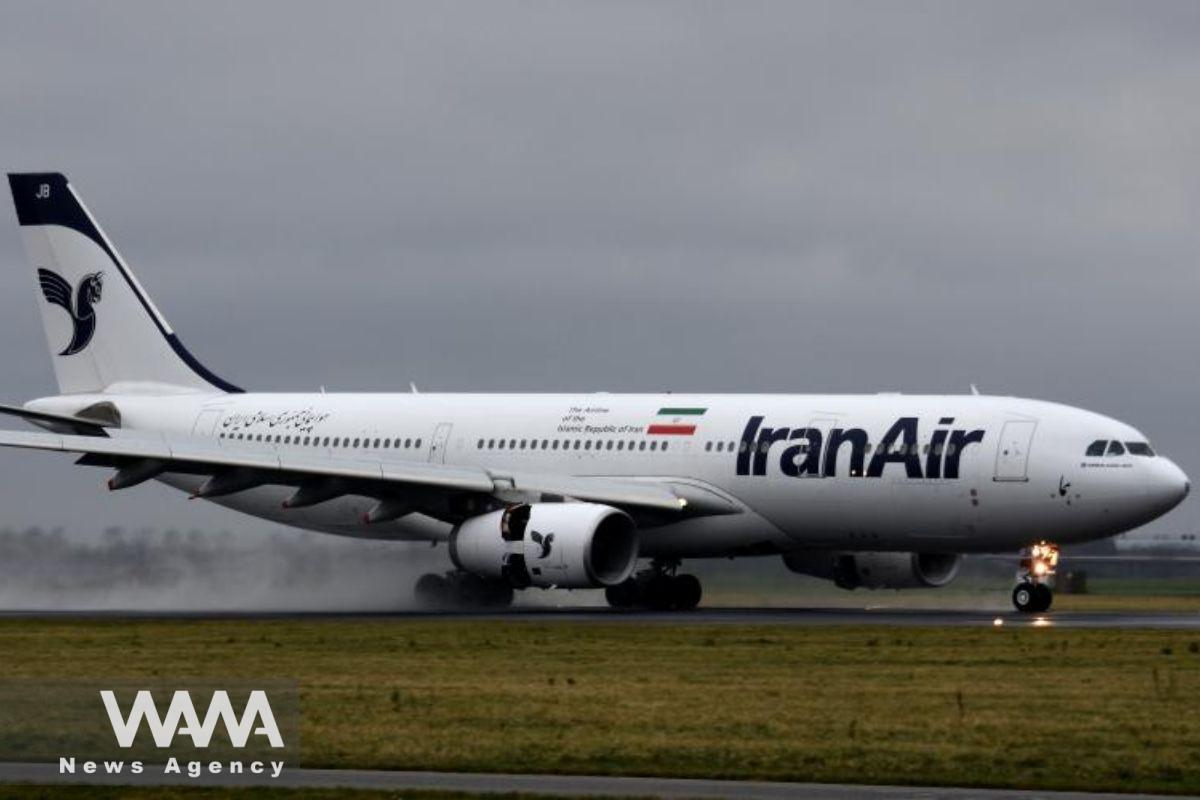
Iran is advancing its domestic aircraft industry amidst challenges posed by sanctions and an aging fleet. Recent successful flight tests of the indigenous Simorgh transport aircraft exemplify Iran’s growing capabilities in aircraft design and manufacturing. The government announced plans to develop 20-seat passenger aircraft, which will serve small airports and regional routes, bolstering Iran’s internal connectivity.
According to official sources, only 211 aircraft are operational, with a significant portion grounded. The focus has shifted from relying on imported technology to developing indigenous solutions, with a key milestone being the flight test success of the Simorgh, built domestically by Iran’s Ministry of Defense.
This aircraft represents Iran’s strategic move toward self-sufficiency in aviation. The next phase involves designing regional passenger models, which could improve regional tourist travel, reduce operational costs, and activate short interstate routes. However, challenges such as safety certifications, reliable engines, and establishing support networks remain. Nonetheless, Iranian officials emphasize the country’s capabilities and potential to emerge as a producer rather than solely a consumer of aircraft.
The development of a 20-seat aircraft aligns with Iran’s transportation strategy, intending to activate smaller airports and better connect local communities. Industry experts see this project as a measure of Iran’s managerial maturity and technological progress, which could significantly impact its aviation industry despite ongoing sanctions.

