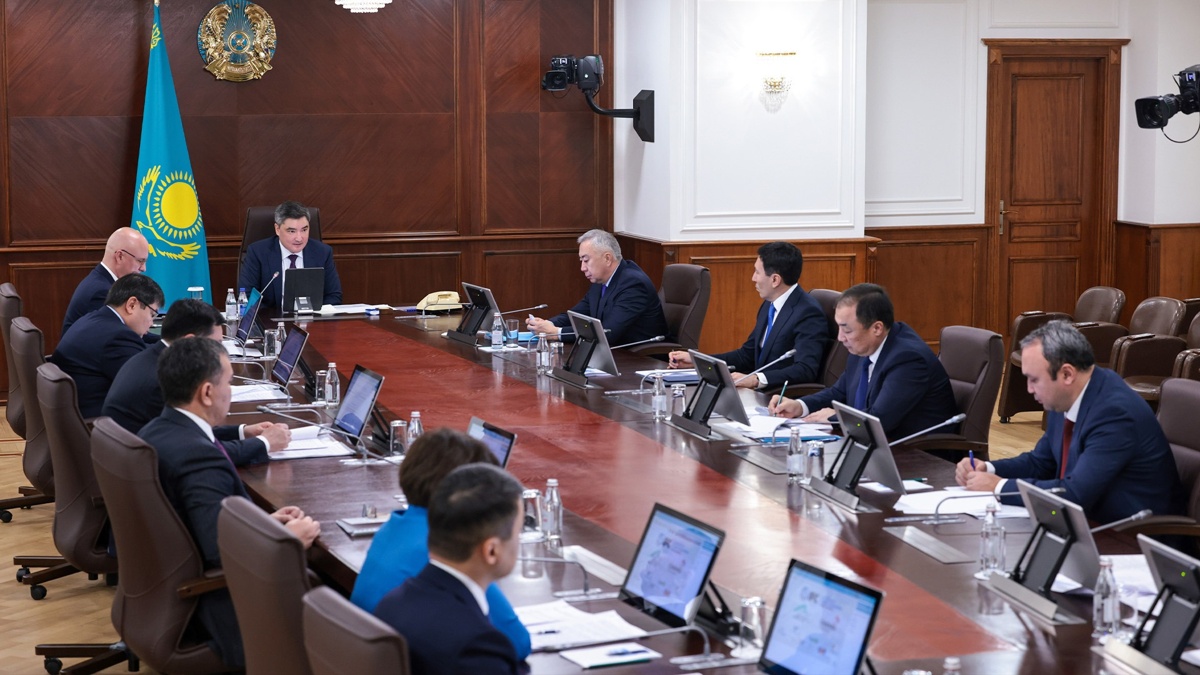
Kazakhstan is undertaking significant efforts to modernize its civil aviation infrastructure over the next three years. Prime Minister Olzhas Bektenov recently chaired a high-level meeting with government officials and city mayors to discuss expanding key air hubs in Astana and Almaty, as well as improving regional connectivity. The development plan includes constructing a second runway at the capital's airport, modernizing terminals, and increasing cargo and passenger capacities, aiming to support a rapidly growing aviation market expected to double by 2040.
Key objectives include upgrading airport and navigation infrastructure, expanding route networks, and enhancing the training system for aviation professionals, with the support of international centers. Kazakhstan has achieved a 95.7% compliance rate with ICAO aviation security standards, surpassing global and European averages. This progress underscores continued efforts to meet international safety and security standards.
Regional Development and Connectivity
The government is actively subsidizing domestic routes to bolster regional connectivity, which has seen passenger traffic exceed 13 million in ten months of 2025—a 6% increase. The expansion of Almaty Airport, with modernization plans to increase capacity and streamline operations, aims to further support tourism, trade, and regional development. Officials highlighted the multiplier effect of civil aviation employment, noting that each job in the industry could generate up to 6.1 jobs in related sectors.
Additionally, authorities emphasized efforts to oversee jet fuel supply chains and combat non-productive intermediaries to ensure efficient fuel provision. Infrastructure projects targeting road quality improvements are also underway, with a focus on improving the current state of roads and surface quality to support multimodal transport growth.
In closing, Kazakhstan's strategic aviation initiatives aim to position the country as a key player in regional air transportation, aligning infrastructure upgrades with international standards and regional economic development objectives.

