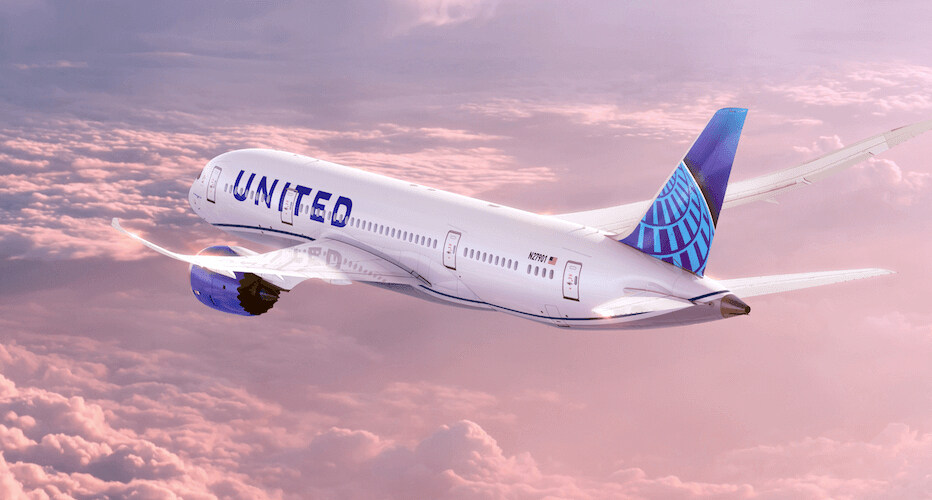
In 2026, the landscape of global air travel is profoundly shaped by the world's largest airline fleets. United Airlines, operating the biggest fleet, offers a vast network connecting continents and providing high-frequency international routes, facilitating complex multi-country journeys and boosting global tourism.
American Airlines maintains its position with a diverse fleet, emphasizing extensive domestic coverage and international links, thus supporting flexible travel plans and seasonal tourism peaks. Delta Air Lines emphasizes long-haul and premium service, connecting North America with Europe, Asia, and Africa, and fostering international tourism initiatives.
Regional and Domestic Connectivity
Southwest Airlines, though concentrated on domestic service, boasts a large fleet that sustains high-frequency city pair routes, promoting regional tourism and short-trip travel within large countries.
Asia-Pacific and Emerging Markets
China Southern Airlines, with its enormous fleet, acts as a major gateway to East Asia, enhancing inbound and outbound tourism, while China Eastern Airlines focuses on regional Asia-Pacific routes and expanding intercontinental connections, supporting diverse tourism flows.
Regional Support and Connectivity
SkyWest Airlines plays an integral role as a regional partner, connecting smaller cities and supporting seamless multi-segment journeys, thereby spreading tourism benefits beyond major urban centers.
Overall, these extensive fleets are more than just numbers—they are key drivers of increased connectivity, route resilience, and tourism development worldwide, making travel in 2026 more accessible and dynamic.

