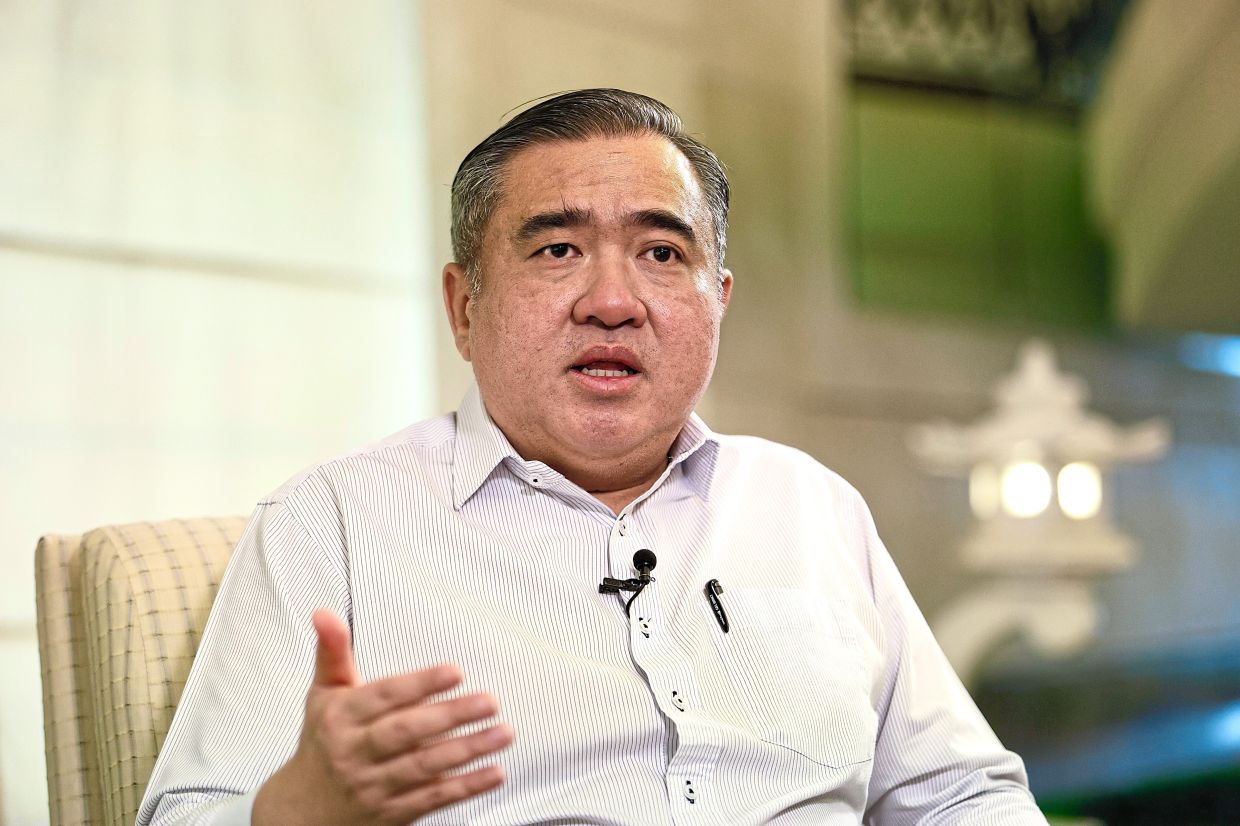
The Malaysian Transport Ministry is actively engaging with key industry stakeholders, including the Civil Aviation Authority of Malaysia (CAAM) and Malaysia Airports Holdings Bhd (MAHB), to manage the ongoing impacts of the global energy crisis. Transport Minister Anthony Loke announced that a dedicated engagement session with industry players is scheduled for next week, aiming to formulate measures that support the sustainability of the aviation and logistics sectors.
Recent geopolitical tensions in the Middle East have heightened pressures on Malaysia’s aviation and maritime operations. The closure of airspace in conflict zones has compelled airlines to reroute flights, especially toward Europe, leading to disruptions in schedules and increased operational costs. Additionally, maritime routes through strategic waterways such as the Strait of Hormuz, Suez Canal, and Red Sea are experiencing delays due to geopolitical tensions, adding up to 15 days to voyage durations and increasing costs for vessel operators.
To mitigate these challenges, the government, via the National Economic Action Council chaired by Prime Minister Datuk Seri Anwar Ibrahim, is closely monitoring the situation to safeguard supply chain integrity and economic stability. Furthermore, there is an observed shift in commuter behavior, with increased reliance on public transit and electric vehicles as fuel uncertainties persist globally. Ensuring the efficiency, reliability, and comfort of public transportation systems remains a key focus of the authorities.
Road safety continues to be a priority, with calls for stricter measures and rapid responses to reduce accidents involving alcohol and drugs. "We recognize the severity of this issue and will strengthen safety protocols and legal frameworks to protect lives," Loke stated. These initiatives highlight the government’s comprehensive approach to addressing the aerospace and transportation industry’s current challenges amid geopolitical tensions and energy supply disruptions.

