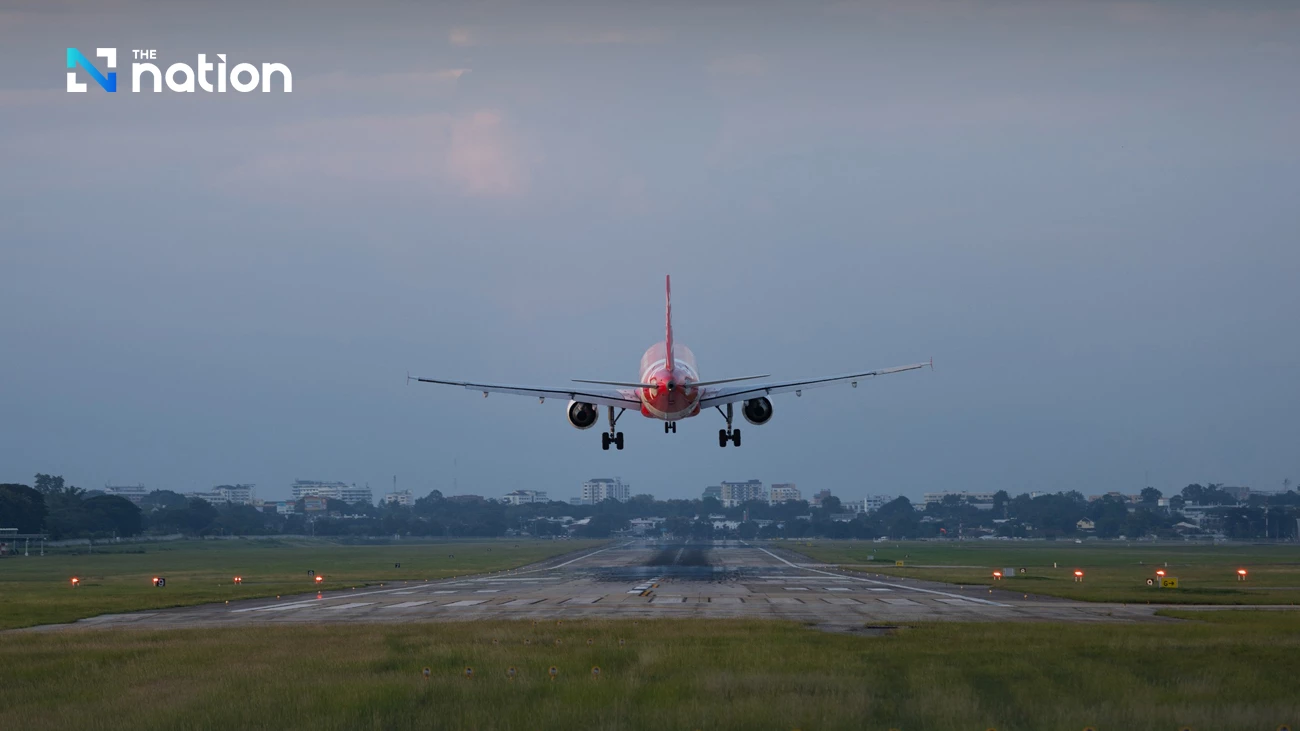
The aviation industry in Thailand faces considerable challenges due to the ongoing conflict in the Middle East. Since late February, more than 1,000 flights operated by Middle Eastern airlines to Thailand have been canceled, significantly impacting the country's air traffic volumes.
Surachai Nuprom of AEROTHAI outlined the potential broader effects of the hostilities, noting possible route alterations, airspace closures, and increased operational costs stemming from higher oil prices. Despite these difficulties, the aviation sector is expected to grow in 2026, but at a limited rate of approximately 3%, slower than earlier forecasts.
Impact on airports and routes
Major airports such as Suvarnabhumi and Phuket have experienced the highest cancellation rates. Other regional airports, including Krabi, Chiang Mai, and Don Mueang, have also been affected. The conflict has driven up fuel costs, prompting airlines to raise fares accordingly.
AEROTHAI continues to monitor the situation closely, preparing for possible route adjustments and increased air traffic management demands. Its strategic response aims to bolster Thailand’s regional aviation development amid geopolitical tensions, ensuring resilience against ongoing global uncertainties.

