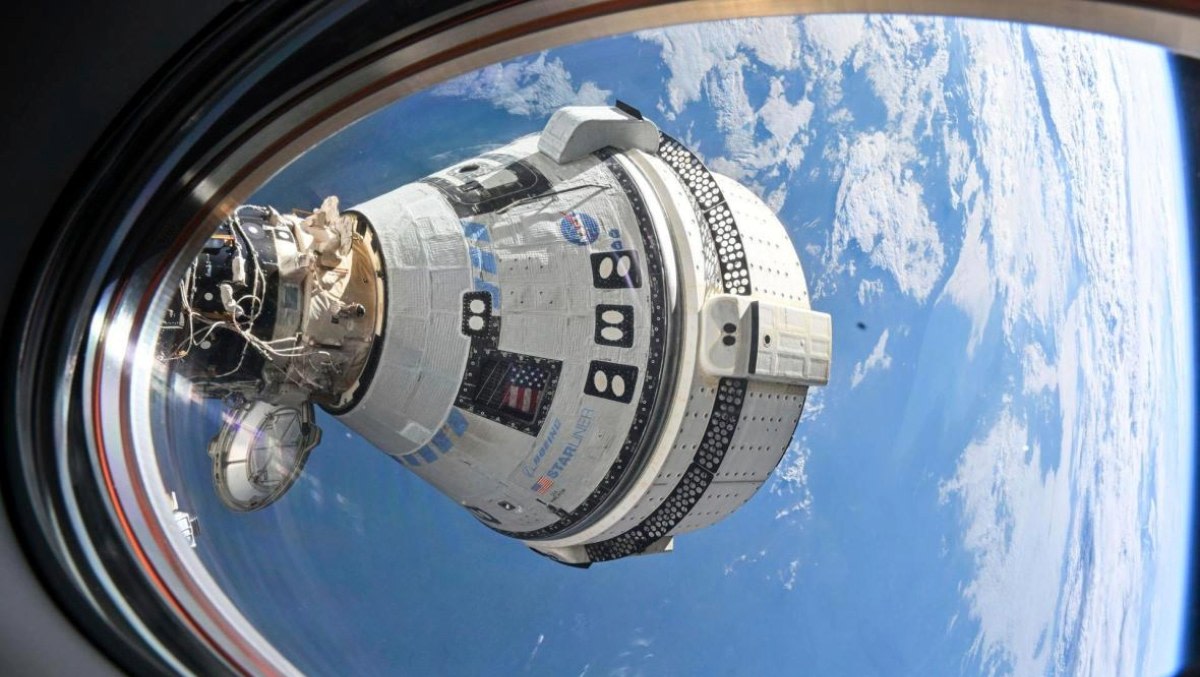
NASA has officially designated the recent Boeing Starliner spacecraft mission as a "Type A mishap," the highest severity level under their safety classification, after experiencing significant technical issues that compromised the spacecraft’s maneuverability and safety during its first crewed test. The incident, involving propulsion system anomalies and loss of control during docking operations, prompted NASA to return the spacecraft to Earth without crew aboard and to conduct an extensive investigation.
The Starliner launched on June 5, 2024, aboard an Atlas V rocket for its long-anticipated first crewed mission to the International Space Station. The mission, initially scheduled to last between eight and 14 days, was extended to 93 days after unexpected propulsion problems emerged. These issues raised serious safety concerns, especially during the approach and docking phases, when thruster malfunctions limited the spacecraft’s operational control.
Following the anomalies, NASA made the decision to abort the mission and brought Starliner back to Earth autonomously, with astronauts Butch Wilmore and Suni Williams remaining on the station. The agency later completed a comprehensive investigation, revealing hardware deficiencies, qualification challenges, leadership errors, and cultural issues within Boeing and NASA that contributed to the failure.
"NASA remains committed to addressing these deficiencies, implementing corrective actions, and ensuring future safety," said Jared Isaacman.
The investigation underscored the importance of rigorous system qualifications, enhanced oversight, and a safety-first organizational culture. While SpaceX’s Crew Dragon continues to operate successfully, struggles faced by Starliner illustrate the difficulties of developing complex human-rated spacecraft within commercial partnerships. NASA affirmed that Starliner will not fly again until all issues are resolved, reaffirming the mission's critical role in NASA's long-term human spaceflight plans, including lunar and Mars missions.

