The aviation industry is currently under significant pressure, with geopolitical conflicts and disruptions highlighting the urgent need for enhanced data coordination and digital identity expansion, according to a recent report by SITA. Airlines and airports are investing billions in IT systems to build resilience and operational efficiency, aiming to reduce costly delays that amount to billions annually.
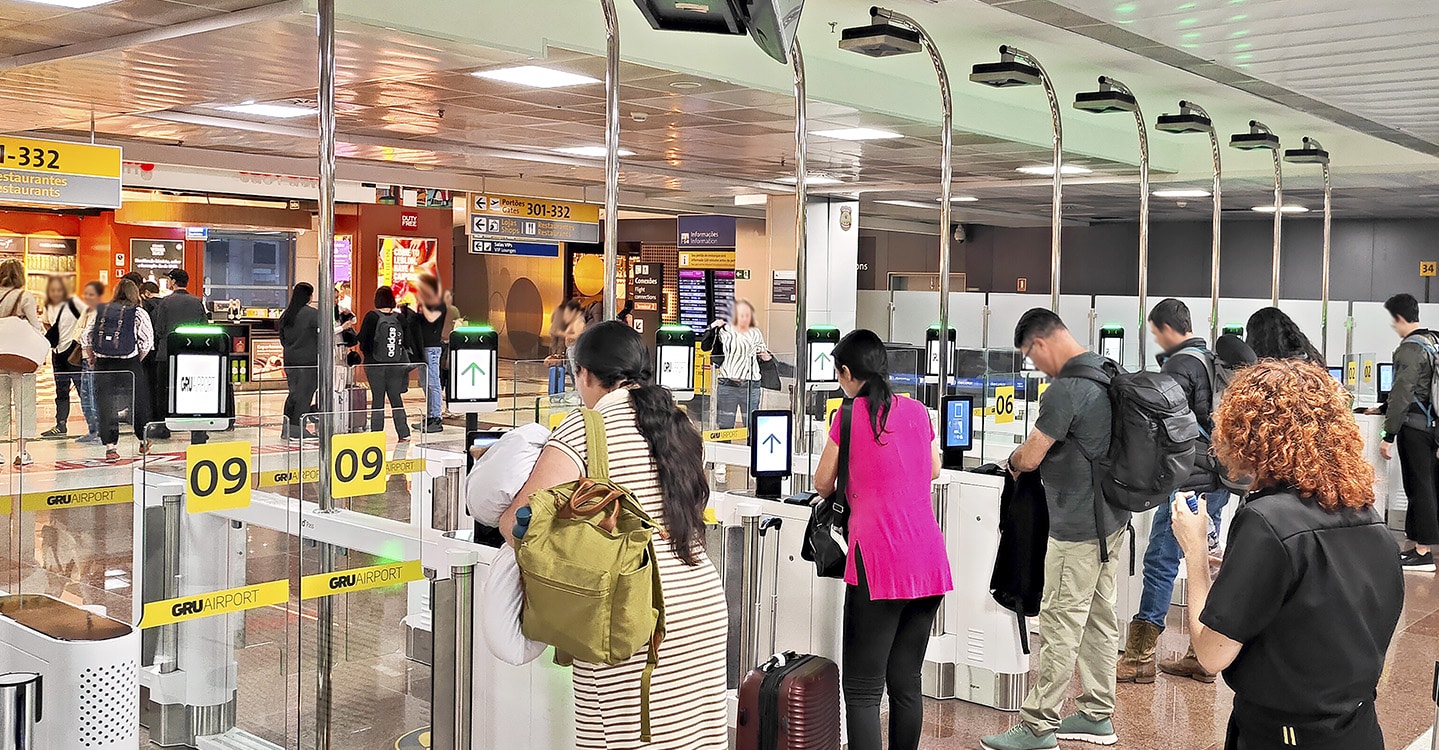
Operational reliability is closely linked to financial stability, with fragmented data systems serving as a major obstacle to early disruption management. The report highlights delays in biometric border controls like the EU’s EES, illustrating ongoing challenges in implementing seamless digital identity solutions across borders.
Enhancing Digital Identity and AI Adoption
Progress in digital credentials issuance is accelerating, with 64 percent of airlines planning to issue their own digital IDs, and biometric border control adoption expected to reach 83 percent of airports by 2028. Despite this growth, international cooperation remains vital, as full contactless travel depends on governments issuing and accepting digital passports at scale.
AI adoption is also advancing, with 63 percent of airlines using AI for operational decision-making. Nonetheless, the effectiveness of AI is hindered by data sharing issues, limiting real-time applications like aircraft turnaround monitoring. Cybersecurity is increasingly prioritized, with nearly all airports focusing on anomaly detection through AI.
Passenger Demand, Sustainability, and Future Outlook
Passengers are demanding faster, greener journeys, prompting airlines to pursue sustainability through fleet renewal and sustainable aviation fuel sourcing, though emissions tracking remains limited due to shared data challenges. Overall, the report emphasizes that growth is fastest when data flows unimpeded between industry stakeholders, underscoring the importance of international cooperation to unlock the full potential of digital transformation in aviation.

