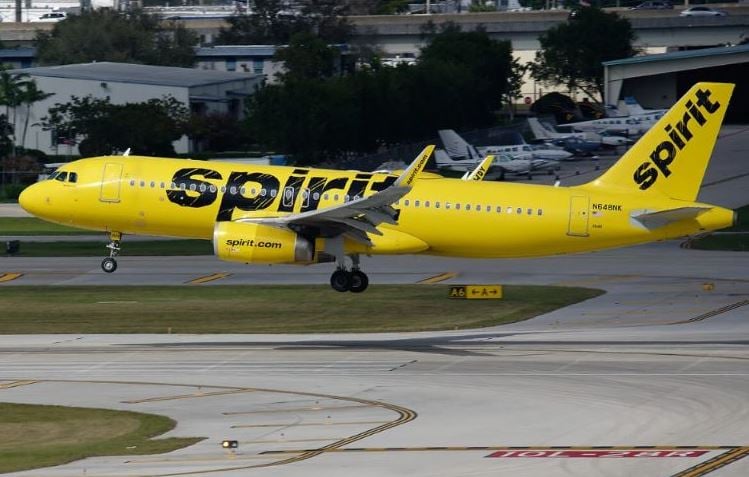
Spirit Aviation Holdings, the parent company of Spirit Airlines, has announced a significant step in its restructuring process with an agreement in principle with its existing debtor-in-possession lenders and secured noteholders. The agreement is key to concluding the airline’s Chapter 11 proceedings and implementing necessary operational and financial adjustments. Spirit aims to emerge from bankruptcy as a streamlined, competitive low-cost carrier, maintaining a broad range of travel options with highly competitive fares.
According to Spirit's CEO, Dave Davis, the agreement allows the airline to move forward with its transformation, positioning it as a stronger competitor capable of delivering value to consumers profitably. The company plans to optimize its network, increasing aircraft utilization during peak travel days while scaling back off-peak flying, thereby improving load factors and yield performance. This network adjustment, alongside expanding offerings including Spirit First and Premium Economy, is designed to capture higher-yield leisure and premium traffic.
Financial restructuring will substantially reduce Spirit’s debt and lease liabilities from around US$7.4 billion to approximately US$2.1 billion upon emergence, improving its balance sheet. This deleveraging, combined with cost rationalization, aims to reinforce Spirit’s cost advantages over legacy carriers and competitors in North America. The company’s strategy involves increasing aircraft efficiency, enhancing customer loyalty programs, and maintaining operational flexibility as it transitions out of bankruptcy, expected in late spring or early summer.

