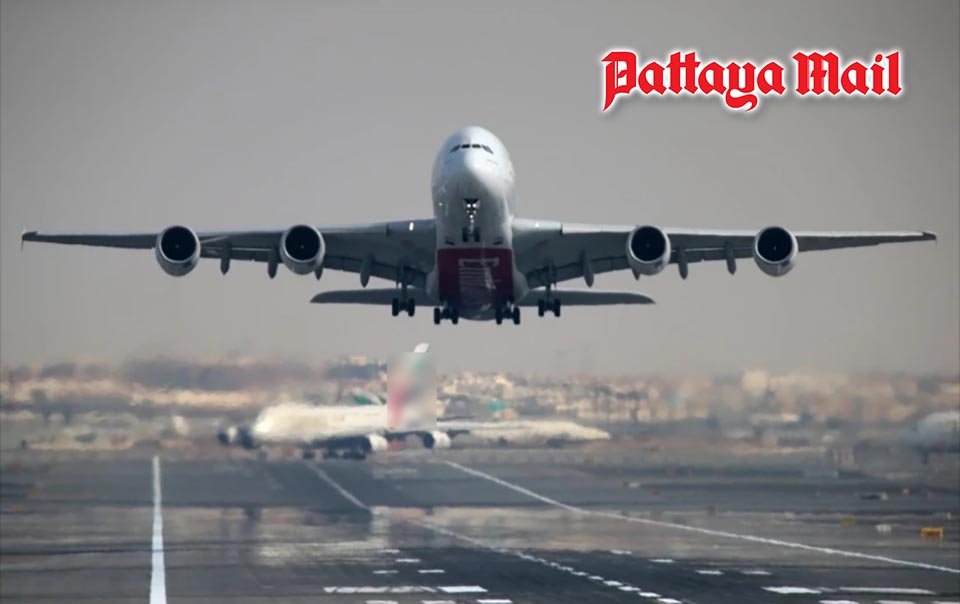
Thailand's aviation sector is experiencing significant operational adjustments as airlines worldwide respond to rising fuel costs and seasonal demand fluctuations. The Civil Aviation Authority of Thailand (CAAT) has confirmed that airlines are reducing flight frequencies and re-evaluating route profitability to cope with the increased expenses caused by high jet fuel prices, which are partly driven by geopolitical tensions and supply disruptions.
Despite indications of easing crude oil prices, fuel remains a Major challenge for the industry. To mitigate these pressures, Thai authorities are exploring supportive measures, including temporary excise tax relief on aviation fuel, and are working closely with multiple agencies to maintain essential flight services while minimizing disruptions for passengers.
Industry Support and Regulatory Measures
The Airlines Association of Thailand has proposed short-term relief for aviation fuel taxes to help airlines navigate the financial strain. Additionally, strict compliance with passenger protection regulations, such as timely notifications of schedule changes and refunds, is being emphasized. Authorities are encouraging airline cooperation to facilitate passenger transfers and minimize industry-wide disruptions amid the ongoing economic pressures.
Overall, the Thai aviation industry is actively managing the challenges posed by rising fuel costs while seeking measures to support continued service and stability in the aviation market.

