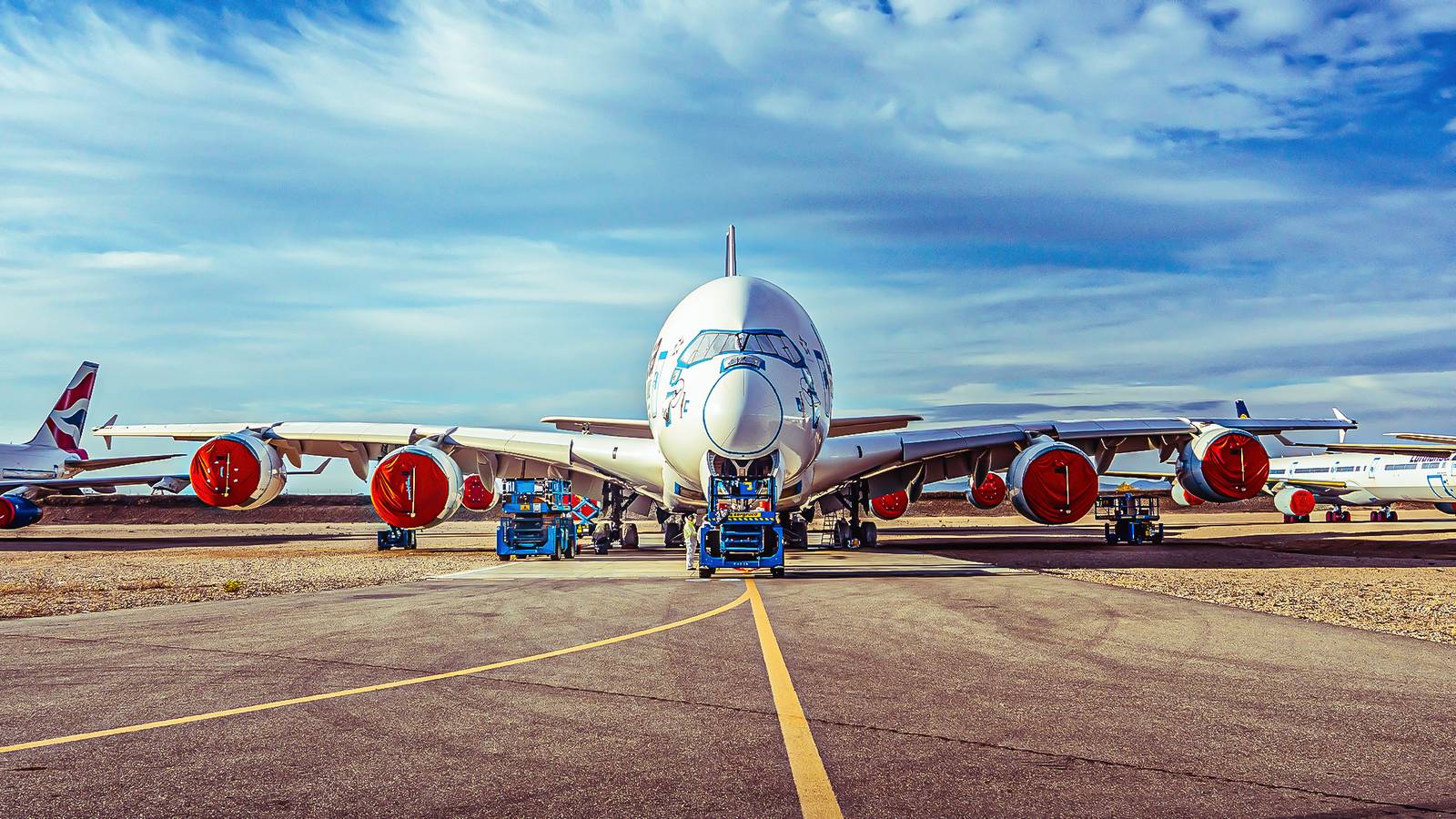
The Airbus A380 has been a symbol of innovation and size in the aviation industry, celebrated for its spacious cabin and double-decker design. Since its first commercial flight in 2007 with Singapore Airlines, the aircraft has flown over 800,000 flights and carried more than 300 million passengers globally. Despite its iconic status, the aircraft's production ended in 2021 after less than two decades, with Airbus delivering 251 units before discontinuation due to limited commercial interest and economic factors.
The decision to cease manufacturing was influenced by evolving market dynamics, with airlines favoring smaller, more efficient twin-engine aircraft such as the Airbus A350 and Boeing 787. Emirates, the largest operator of the A380 with 116 units, remains committed to the aircraft, investing over a billion dollars in refurbishments to extend its operational life into the next decade. Other airlines like Lufthansa and Qantas are also retrofitting their fleets, underscoring the aircraft’s continued strategic value for high-demand routes.
Notably, several airlines have already retired their A380 fleets, citing operational inefficiencies and economic challenges. Air France was the first to fully retire the type, and others like China Southern, Thai Airways, and Malaysia Airlines have followed. Market factors, such as the pandemic and shifts in demand, have made the large aircraft less viable, leading to partial or full fleet reductions at multiple carriers. Nevertheless, some airlines maintain their fleets, viewing the A380 as a long-term asset on specific high-demand routes.
Overall, the Airbus A380's legacy remains significant, with its unique design and passenger experience setting industry standards. While its future as a new-build aircraft is halted, the existing fleet continues to operate effectively in certain markets, symbolizing a blend of groundbreaking engineering and evolving airline strategies.

