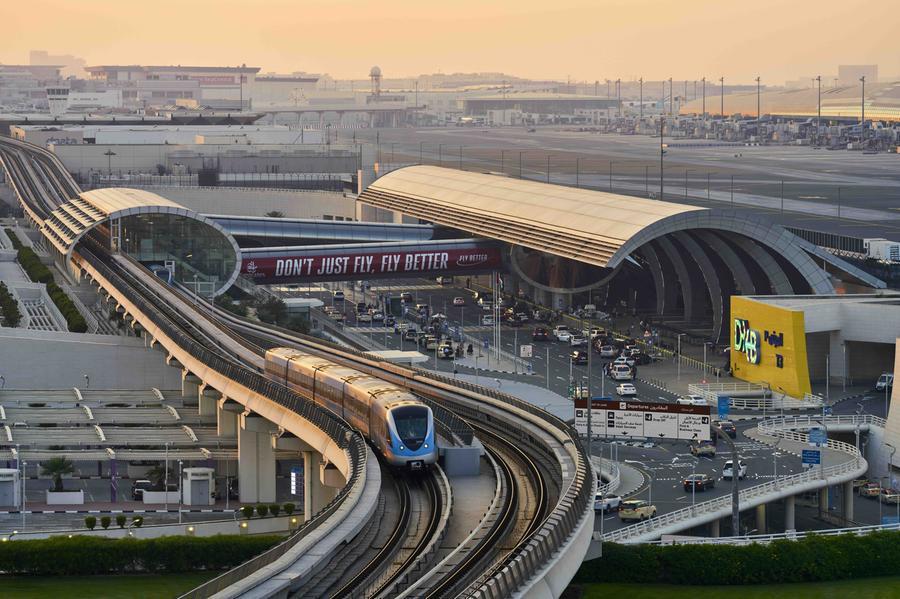
The United Arab Emirates achieved significant milestones within its aviation industry during 2025, underscoring the country’s position as a leading global logistics hub. Dubai International Airport reported a record 95.2 million passengers, marking the busiest year in the airport's history and the highest international passenger traffic ever recorded globally. This growth was complemented by increases in flight movements and cargo volumes, which reached historic levels.
In addition to Dubai, Abu Dhabi’s airports registered their highest-ever passenger numbers, with over 33 million travelers, and Zayed International Airport alone handled 8.59 million passengers in the fourth quarter. Cargo activities across the emirate’s airports also expanded, reflecting Abu Dhabi’s strengthening logistics role.
Airport expansion and airline connectivity
Sharjah Airport and Ras Al Khaimah International Airport also experienced impressive growth, both surpassing previous passenger and service records. Ras Al Khaimah handled 1.3 million passengers, with the network expanding to include 16 destinations, including key markets such as India and Russia.
Major UAE airlines contributed to this connectivity boom. Emirates Airlines operates 152 destinations, flydubai serves more than 135, and Etihad Airways flies to 91 locations across the globe. Air Arabia expanded its routes by 30 new services, overall strengthening the country’s tourism and business sectors.
Technological advancements played a role in enhancing passenger experience, with airports investing in AI, self-service platforms, and digital payment systems. This focus on operational excellence garnered numerous international awards, reaffirming UAE’s leadership in global aviation standards.

