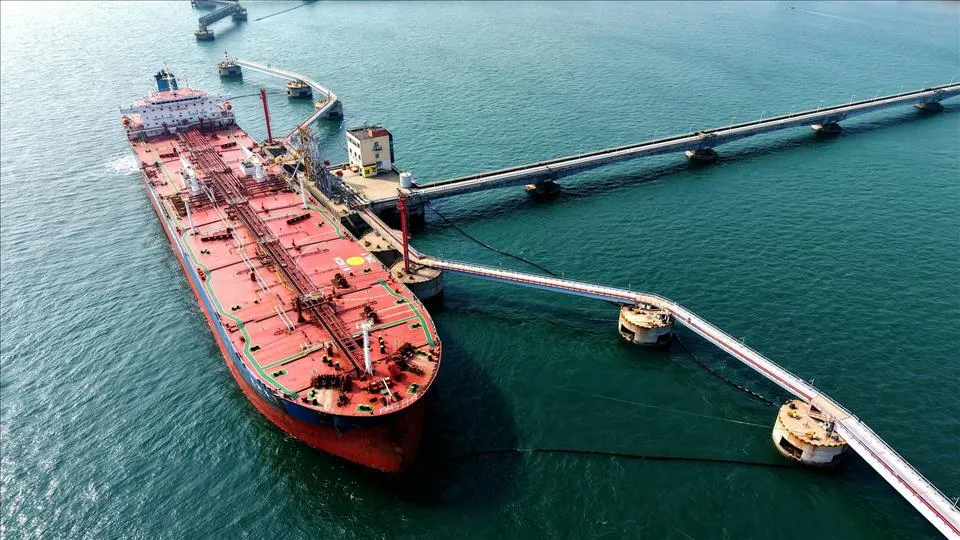
China has announced a suspension of fuel exports to regions including Asia and Australia, raising concerns over the ongoing supply chain disruptions affecting key industries. The decision could lead to increased operational costs for airlines that rely heavily on imported aviation fuel, particularly in Australia where approximately 32% of such fuel comes from China.
The escalation in fuel prices, nearing $200 per barrel, poses further challenges as airlines face mounting expenses from fuel, aircraft maintenance, infrastructure, and personnel costs. Meanwhile, in Thailand, the fishing industry may experience significant impacts; the President of the Thai Fishing Association warned that about half of the country's fleet could remain in port due to rising diesel prices.
Regional energy security and geopolitical risks
Thailand's roughly 9,000 fishing vessels are vulnerable to reduced activity, threatening seafood supply and regional fishing economies. The Thai government is negotiating with Russia to secure additional oil supplies, with reserves estimated to last about 98 days. Additionally, concerns about maritime energy route security persist. U.S. officials have expressed worries about Iran potentially closing the Strait of Hormuz in response to military threats, though some believe this is unlikely due to Iran's own economic interests. The combination of fuel supply disruptions, increased energy prices, and geopolitical tensions underscores the fragility of energy markets in Asia and Australia, raising risks for maritime trade and aviation in the near term.
Overall, these developments highlight the intertwined nature of regional energy security, international politics, and economic stability, prompting ongoing assessment of global supply chain resilience and security strategies.

