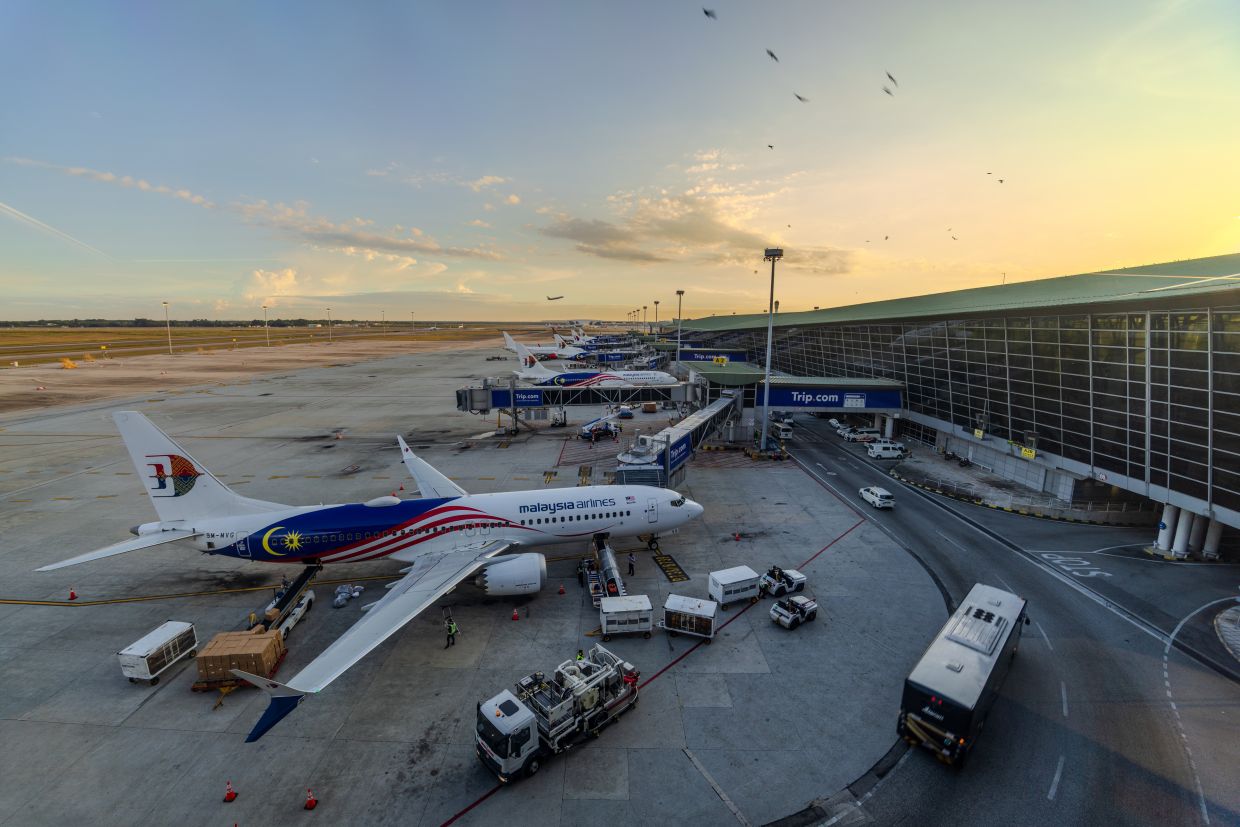
The aviation industry continues to grapple with its environmental impact as it aims for net zero carbon emissions by 2050. Although airlines like Malaysia Airlines and AirAsia are investing in new aircraft, sustainable fuels, and carbon offset schemes, significant barriers hinder swift progress. The limited availability of sustainable aviation fuel (SAF), high operational costs, and compliance challenges—particularly ICAO's Corsia scheme—pose ongoing difficulties.
ICAO's goal is to cap international aviation emissions at 85% of 2019 levels from 2024 to 2035, requiring airlines to offset excess emissions through Certified Emissions Units (EEUs). Malaysia Airlines has purchased approximately 10,000 EEUs; however, the absence of domestic EEUs raises concerns about costs and reliance on international markets. The debate continues over whether carbon offset schemes foster genuine decarbonisation or serve as a means for greenwashing, as airlines might prefer purchasing credits over reducing emissions directly.
Impact of External Factors
Geopolitical conflicts, such as the Iran war, further complicate decarbonisation by restricting airspace, leading to longer flight routes and increased fuel consumption. Additionally, rising fuel prices escalate SAF costs, creating financial hurdles for airlines seeking cleaner operations. Experts highlight the need for diversified carbon credit sourcing and the implementation of policies like carbon pricing to support sustainable aviation practices.
While the industry demonstrates a commitment to technological advancement and environmental responsibility, external geopolitical and economic challenges require coordinated global efforts and innovative approaches to ensure meaningful progress toward decarbonisation.

