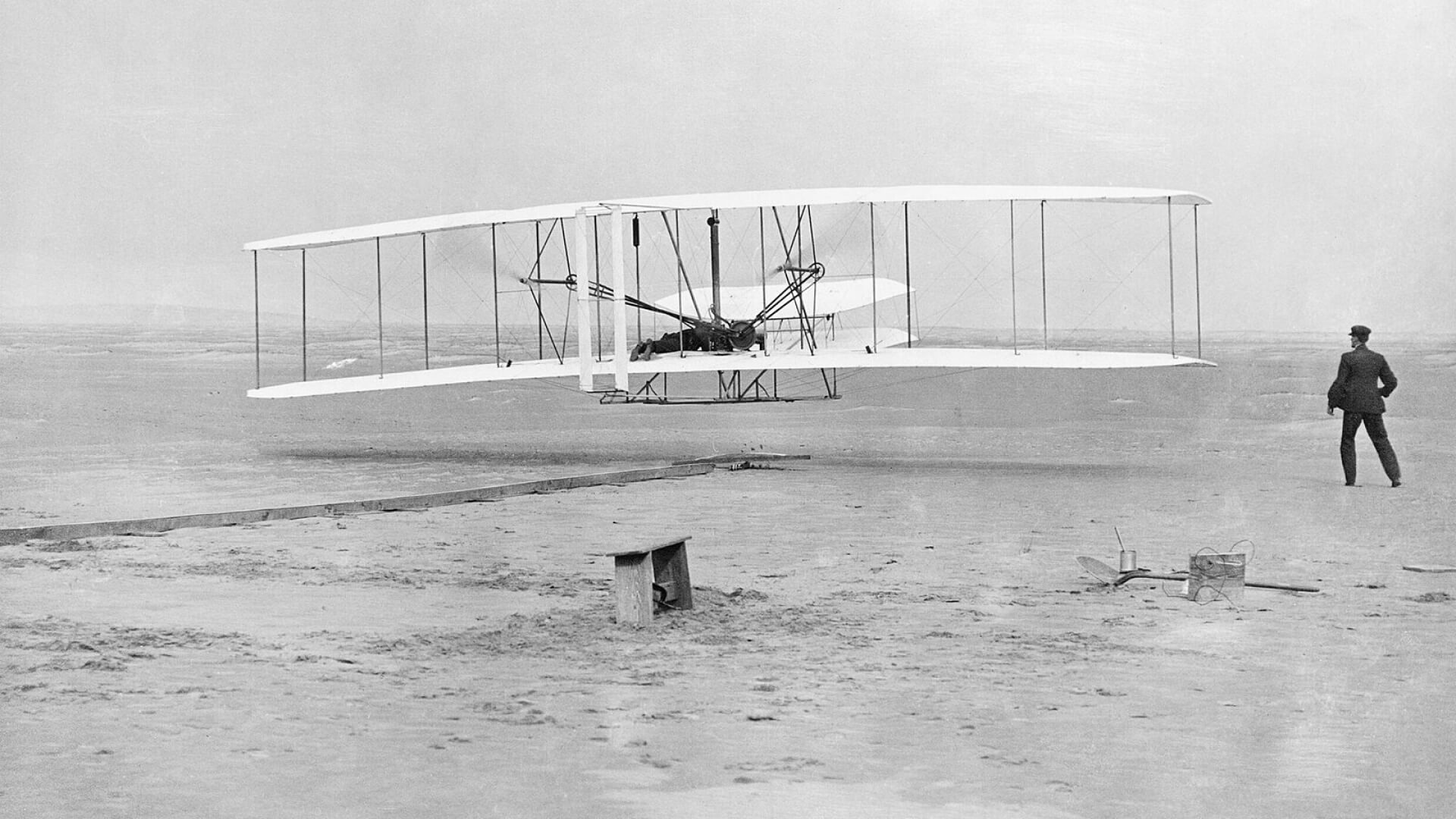
Throughout history, aviation milestones have continuously expanded the boundaries of human achievement. From the Wright Brothers' first successful powered flight in 1903 at Kitty Hawk, which demonstrated controlled, sustained flight, to Chuck Yeager breaking the sound barrier in 1947, each milestone defined new possibilities in aviation technology.
Recent developments in Colorado exemplify this legacy. The XB-1, a groundbreaking supersonic demonstrator, has achieved a major breakthrough with real-world validation of Boomless Cruise, eliminating loud sonic booms during supersonic flight over land. Concurrently, the Symphony engine, designed to power the next generation of supersonic commercial aircraft, has made significant progress, with the first engine parts produced and testing underway at the Colorado Air and Space Port.
Pioneering Individuals and Their Contributions
Individuals such as Amelia Earhart, the first woman to fly solo across the Atlantic, and Jacqueline Cochran, the first woman to break the sound barrier, exemplify the daring spirit of aviation innovation. Their achievements challenged gender norms and demonstrated the vital roles women have played in aerospace history. Today, test pilot Tristan "Geppetto" Brandenburg continues this tradition by pushing supersonic flight boundaries without audible sonic booms, earning prestigious aviation awards for his contributions.
Fundamental technological advancements have driven these milestones: the Wright Flyer served as the blueprint for controlled flight; Sir Frank Whittle's jet engine revolutionized high-speed, high-altitude travel; and Concorde, the only successful commercial supersonic jet, shortened transatlantic crossing times for decades.
Looking forward, projects like Boom's Overture aim to make fast, efficient, and environmentally sustainable supersonic travel a reality through innovations in engine design, aircraft configuration, and regulatory reforms. These efforts herald a new era of global connectivity where travel times are dramatically reduced, expanding economic and cultural opportunities worldwide.
As aerospace continues to evolve, the ongoing pursuit of aviation firsts remains a testament to human ingenuity, promising a future where the impossible becomes routine.

