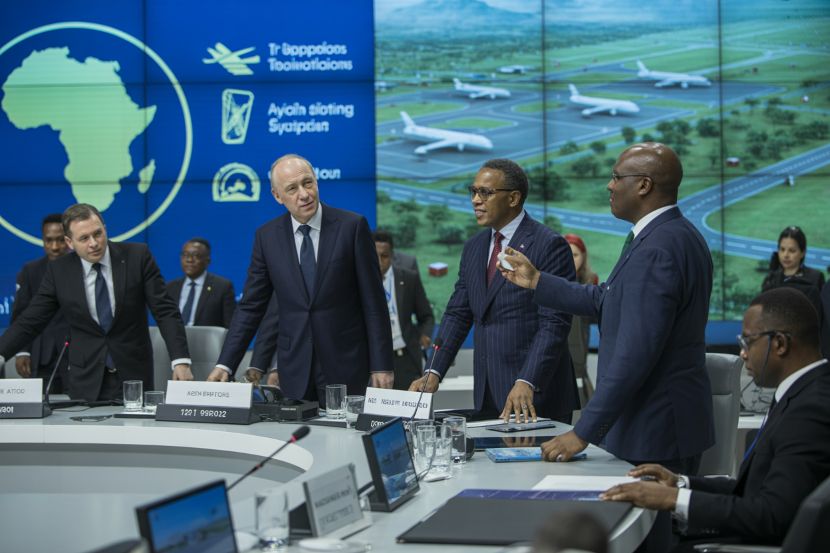
In a significant move to advance Africa's transport network, the African Union announced a commitment of $30 billion during the 3rd Infrastructure Summit held in Luanda, Angola. This investment aims to modernize airports, upgrade air traffic systems, and promote sustainable technologies, fostering greater continental connectivity and economic integration.
Attended by African and international leaders, the summit focused on the implementation of the Single African Air Transport Market (SAATM), designed to facilitate free movement across nations. Notably, Qatar Airways pledged a $500 million endowment to support renewable energy and climate goals aligned with the continent's development priorities.
Strategic Investment Allocation
The funds will be distributed across various key areas, including $10 billion for airport modernization, $8 billion for upgrading air traffic management infrastructure, and $12 billion to bridge existing gaps and stimulate private sector investment. The African Union plans to leverage public funds to attract additional private and institutional investments, aiming to mobilize up to $20 billion from these sources.
"This ambitious initiative is essential for Africa’s economic development, leveraging modern aviation infrastructure to promote regional integration and sustainability,"
said Lerato D. Mataboge, Commissioner for Infrastructure and Energy at the AU.
Sustainable development remains at the core of these plans, with investments in green airport technologies and traffic management systems like Airport Collaborative Decision-Making (A-CDM) and System-Wide Information Management (SWIM). These initiatives aim to enhance air traffic coordination and promote environmentally friendly practices, attracting eco-conscious investors and reducing emissions.
Looking ahead, African leaders emphasized the importance of self-reliance in infrastructure financing, advocating for increased domestic resource mobilization, greater private sector participation, and access to climate funds. This strategic shift intends to reduce reliance on external aid, fostering a sustainable and self-sufficient growth model for Africa’s aviation future.
With these developments, travelers can anticipate improved air connectivity, modern airports, and more sustainable travel options, boosting tourism and trade throughout Africa."

