Air India Expands International Footprint with New Destinations and Daily Frequencies
Air India Expands International Footprint with New Destinations and Daily Frequencies
Trending
|
11 months ago
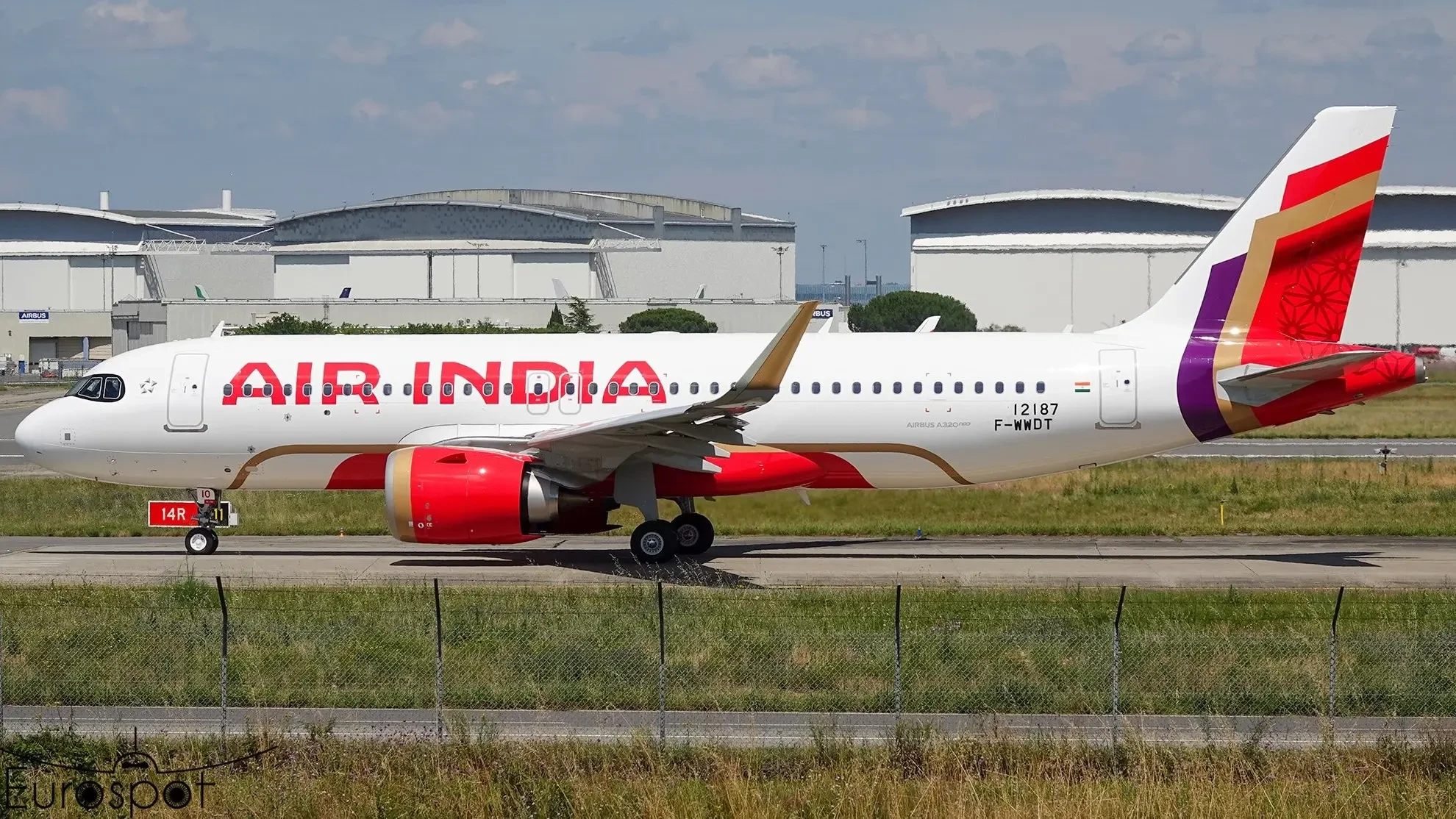
Air India Goes Daily to Manila and Adds Bali, Kuala Lumpur
Air India has announced a significant push in its international network, upgrading its Delhi–Manila route to a daily service from 11 December and adding fresh connections to Bali and Kuala Lumpur. The move reflects rising demand in Southeast Asia for both leisure and business travel, as Indian carriers seek to capture more outbound traffic and inbound tourism. With Manila now served every day instead of five times a week, Air India is signalling that the Philippines market is underserved and poised for growth. Indian students, medical travellers and professionals contribute to the demand, while Filipino tourists are increasingly visiting India. At the same time, the addition of Bali and Kuala Lumpur boosts Air India’s presence in Indonesia and Malaysia—countries that have seen strong visitor numbers from India in recent years. Bali, in particular, is emerging as a year-round destination for Indian travelers, while Kuala Lumpur offers both leisure appeal and a hub position for connections.
Strengthening the Delhi Hub for Wider Connectivity
These international service expansions reinforce Delhi as Air India’s key gateway for global operations. By enhancing medium-haul connectivity to vibrant Southeast Asian markets, the airline positions itself to feed long-haul connections from Delhi to Europe, North America, Australia and East Asia. The airline plans to deploy upgraded A320/A321 narrow-body aircraft on these routes, offering more comfort and better cabins. Meanwhile, its wide-body fleet enhancements—such as incoming Boeing 787-9 and Airbus A350-1000 aircraft—will bolster long-haul backbone strength. In effect, the strategy is multi-layered: secure dense, high-volume regional routes that build traffic into Delhi, while leveraging the hub to support major international flows. Improved regional connections serve both higher margins and network robustness.
Why Southeast Asia Matters for Air India
Southeast Asia is a naturally complementary market for India’s expanding middle class and its growing outbound travel trend. Countries like Indonesia, Malaysia and the Philippines are destinations where Indian tourists, business travellers and students are increasingly represented. For Air India, entering or expanding into these markets helps diversify its network away from traditional Europe and Gulf-centric flows. It strengthens competitiveness against both regional and international carriers. Furthermore, enabling flights to Bali and Kuala Lumpur complements India’s tourism diplomacy and regional aviation strategy. It enables bilateral aviation linkages, deeper connectivity and potential for onward feed traffic.
Operational and Fleet Considerations
To deliver these route enhancements, Air India will rely heavily on its narrow-body fleet to service Southeast Asia while allocating its wide-body aircraft for longer sectors. The upgraded cabins on A320/A321 improve passenger experience and support branding efforts. Optimizing aircraft utilization on high-volume medium-haul routes is critical for cost management. Shorter sectors allow quicker turnaround, higher frequency and better load-factor management compared to ultra-long-haul paths. At the same time, Air India’s long-haul expansion plans—bolstered by the soon-to-arrive Boeing 787-9 and Airbus A350-1000—will be vital in maintaining its ambition to become a global connector rather than purely a regional carrier.
Challenges and Strategic Implications
While the network expansion is promising, execution risks remain. Ensuring consistent load factors on newly added routes, managing yield in competitive markets and integrating the refreshed fleet with current operations are key tasks ahead. Competition in Southeast Asia is intense, with low-cost carriers and regional full-service airlines vying for similar traffic flows. Air India must leverage its hub model, schedule connectivity and service quality to differentiate effectively. Regulatory and bilateral aviation agreements also play a role. Adding or upgrading flights to international destinations requires slot coordination, bilateral air-service treaty compliance and potentially obtaining landing rights. Moreover, as Air India expands outbound to leisure markets, it must balance cargo carry, seasonal variation and connectivity into its longer-haul network to avoid reliance on point-to-point traffic alone.
What This Means for Passengers and India’s Aviation Landscape
For passengers, the upgrade of the Delhi-Manila route to daily and access to Bali and Kuala Lumpur create more travel convenience, improved schedule options and better connectivity for onward flights. For India’s aviation ecosystem, Air India’s network push signals a maturing carrier ready to exploit the growth of outbound travel, tourism demand and network feed into a global hub. It may also drive competitors to respond—leading to more route launches, improved pricing and enhanced service offerings in the India–Southeast Asia corridor. In the long term, Air India’s strategy aligns with its parent group’s ambition to establish the airline as India’s global flagship, capable of connecting India directly to all major world markets while leveraging India’s position as a rising travel origin.

Airspace Times Team
Aviation news desk
Published: 22 Nov 2025
Share to:
Latest news
Related airlines
powered by We Do Dev Work 
We use cookies and similar technologies to enhance your Browse experience, personalize content and ads, provide social media features, and analyze our traffic. By clicking 'Accept All' or continuing to use our website, you consent to the use of cookies as described in our Cookie Policy