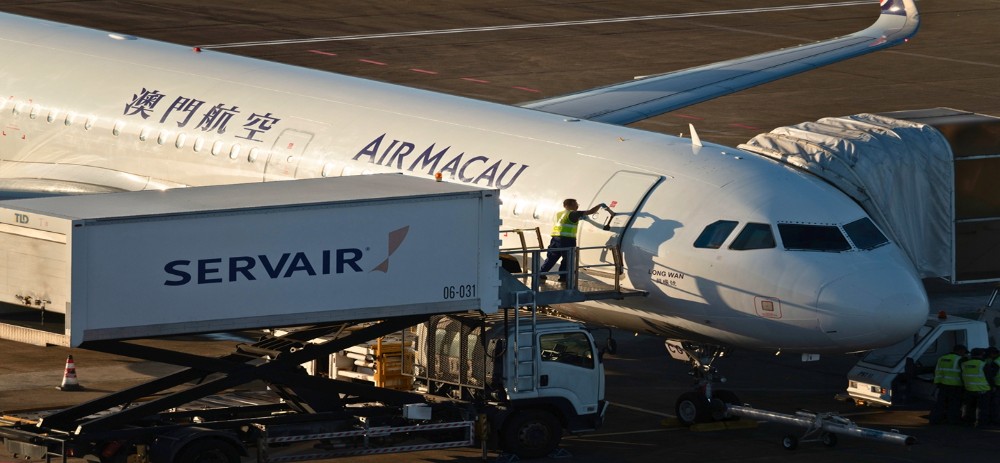
Air Macau has responded promptly to an urgent software recall issued by Airbus concerning its A320 aircraft fleet. The recall was prompted by concerns over solar radiation impacting flight control systems, and the airline acted swiftly to update the affected software, maintaining safety standards. The Civil Aviation Authority of Macau directed the airline to address this issue immediately, leading to operational adjustments including minor schedule delays to facilitate software updates. This proactive approach underscores Air Macau's commitment to passenger security and operational integrity.
The Airbus A320 family, with approximately 6,000 aircraft worldwide, has encountered a widespread software recall due to solar radiation vulnerability—an incident that became prominent after an emergency landing in the United States caused by corrupted flight data. While this has temporarily disrupted flight schedules, the long-term implications highlight the necessity for greater resilience in modern aviation systems. For Air Macau, quick action has kept the fleet safe, reinforcing its reputation as a reliable carrier amidst these challenges.
Future Industry Outlook and Safety Regulations
Looking beyond this immediate issue, the aviation industry is increasingly recognizing the importance of safeguarding against external environmental factors such as solar radiation. Future aircraft design and safety protocols are expected to incorporate enhanced monitoring and predictive maintenance, supported by collaboration among airlines, manufacturers, and regulatory bodies like EASA and the FAA. Such cooperation aims to establish more robust safety standards to preempt similar vulnerabilities.
"The recall has also influenced industry conversations around passenger confidence and transparency. Airlines are emphasizing communication regarding safety measures and operational adjustments, fostering trust among travelers," said an industry analyst.
The recall has also influenced industry conversations around passenger confidence and transparency. Airlines are emphasizing communication regarding safety measures and operational adjustments, fostering trust among travelers. Moreover, regulatory authorities are contemplating stricter testing procedures for flight control systems to better prepare for environmental hazards. These measures aim to improve overall safety and reliability, ensuring continued trust in the aviation sector.
As Air Macau and other airlines address this technical challenge, their efforts contribute to broader industry adaptations that prioritize resilience, technological innovation, and passenger safety. Although the current incident is an isolated event, it serves as a catalyst for long-term upgrades in aircraft safety standards, ultimately aiming to minimize future disruptions and reinforce the industry’s commitment to secure and dependable air travel.

