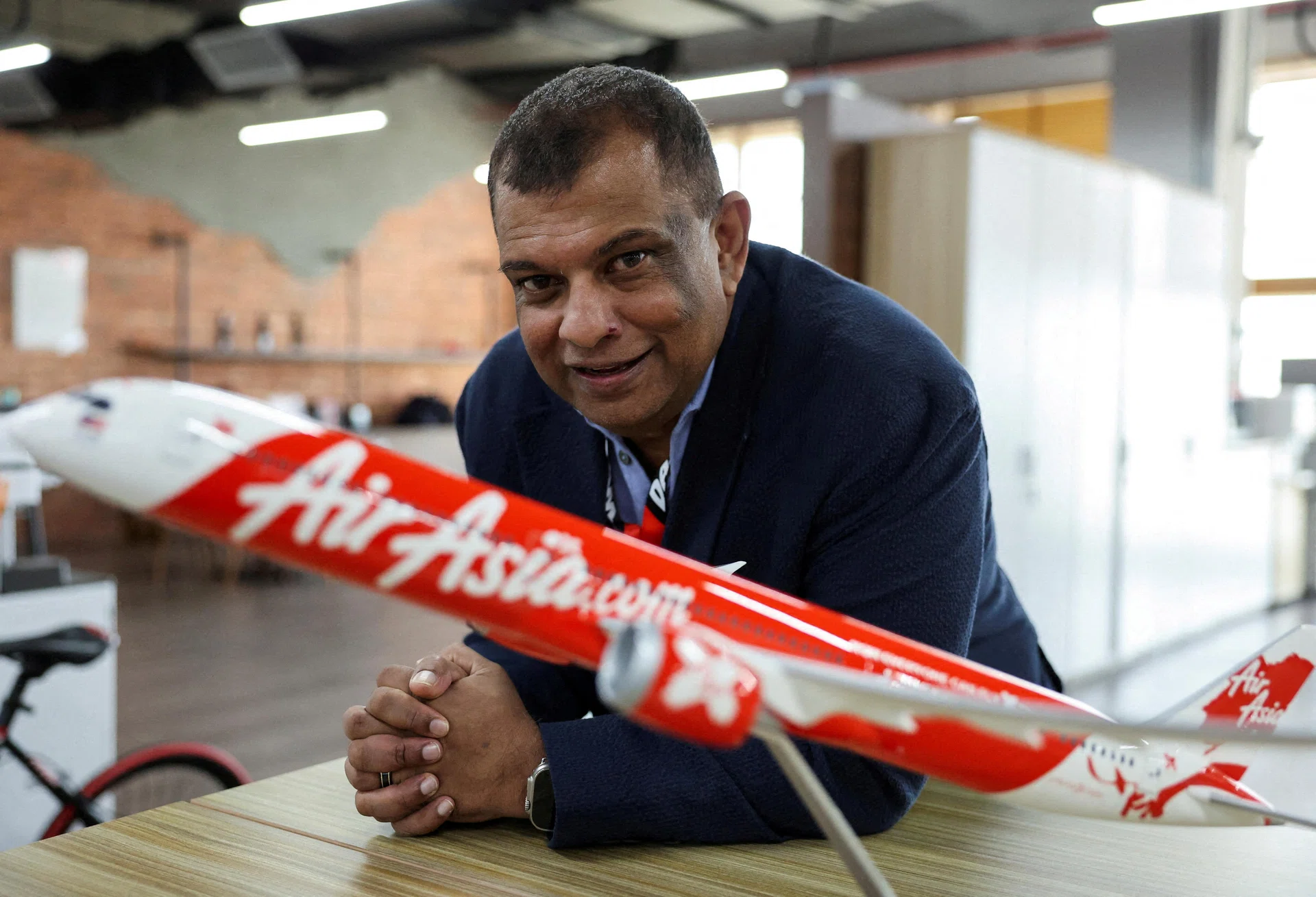
AirAsia, Southeast Asia's prominent budget airline, is experiencing significant financial challenges as it seeks to refinance approximately US$1 billion of its debt. Co-founder Tony Fernandes publicly stated that the airline does not need a rescue from the Malaysian government, dismissing such speculation as "ludicrous". The company's efforts come amid rising global oil prices exceeding US$100 per barrel, which threaten to further erode profit margins.
The airline's financial strain is evidenced by liabilities surpassing assets by 606 million ringgit (US$149 million), and a cash-to-revenue ratio well below the industry standard. Despite receiving an offer of US$1 billion from Middle Eastern banks for refinancing, Fernandes has postponed the decision while seeking more affordable options. The airline's cash reserves amount to 954 million ringgit, which covers only about 5% of its short-term liabilities, raising concerns about liquidity.
Compounding the difficulties are soaring fuel costs, which have contributed to two consecutive quarterly losses. To manage costs, AirAsia has sold six Airbus aircraft that remain unused, and it faces pressure from geopolitical tensions such as the Iran conflict, which has adversely impacted fuel expenses and operations. Industry analysts suggest that unless the airline can improve its operational cash flow or secure better credit terms, maintaining financial stability will be difficult, particularly if fuel prices stay high.
Fernandes emphasized that AirAsia survived the pandemic without government aid, demonstrating resilience; however, ongoing economic pressures require cautious and strategic financial management. The airline's future depends on successfully refinancing its debt at lower interest rates and stabilizing its cash flow amidst continued operational uncertainties.

