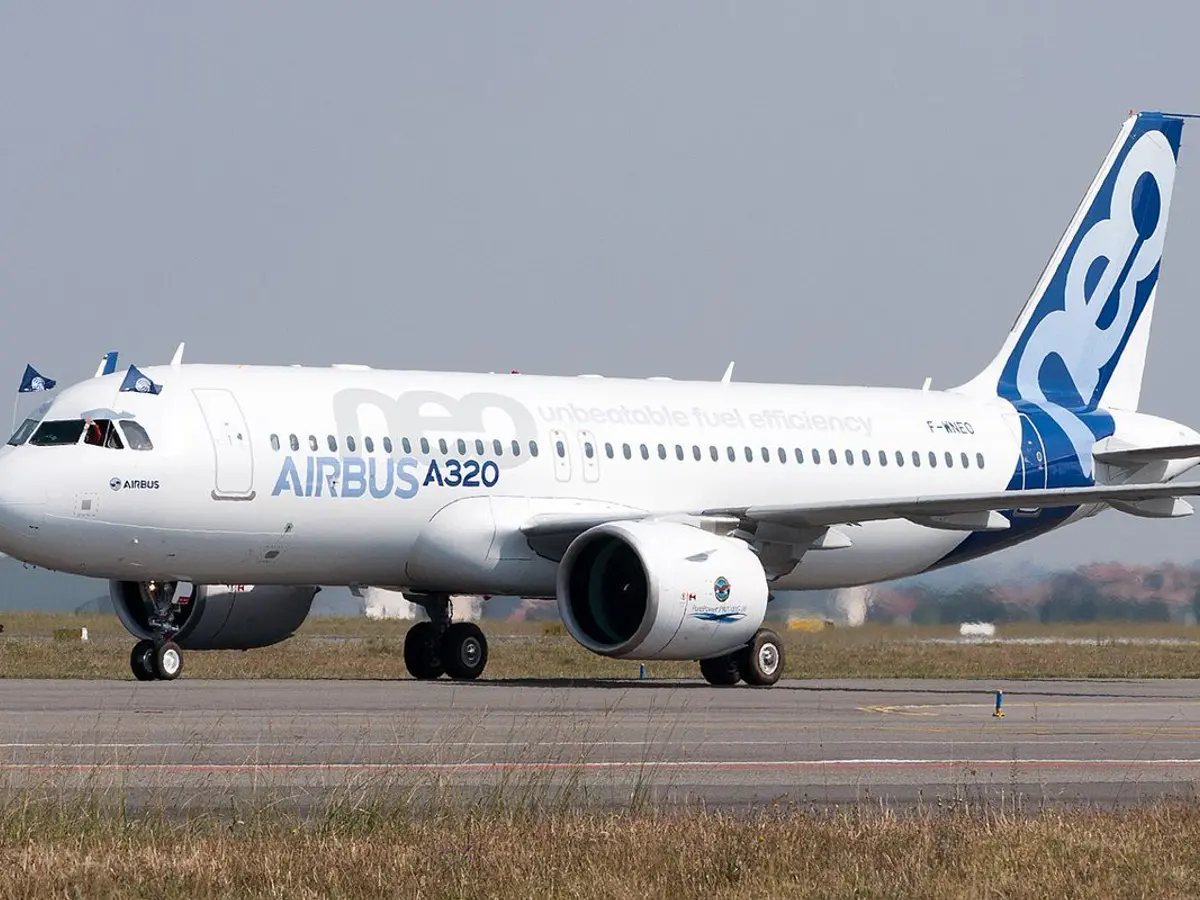
Recent attention has been drawn to the digital vulnerabilities present in modern aircraft, exemplified by the recent Airbus A320 family recall involving over 6,000 jets worldwide. Modern aircraft rely heavily on interconnected digital systems covering flight-control computers, electrical power, and cockpit displays. These systems, while crucial for operation, present potential failure points that can be exploited by hardware malfunctions or environmental factors.
One of the key vulnerabilities is the reliance on software for interpreting pilot controls. In fly-by-wire aircraft such as the A320, pilot commands are processed by software, which then activates hydraulic systems. Malfunctions or glitches in these systems, as demonstrated in recent incidents, may cause the aircraft to respond incorrectly or ignore pilot inputs, leaving pilots with limited mechanical fallback options.
Environmental factors, such as solar and cosmic radiation, can generate transient errors in avionics, further threatening operational safety. The recent recall was triggered by a radiation-induced fault that corrupted onboard systems, underscoring the vulnerability of digital components at cruising altitude. The incident has forced airlines and regulators to confront the limitations of software updates alone, as some aircraft require hardware replacements to address these issues comprehensively.
The recall further raises critical questions about the robustness of existing software testing and certification standards, considering that vulnerabilities may remain undetected until a near-miss or accident exposes them. Nevertheless, the aviation industry maintains an exceptional safety record, and the incident serves as a wake-up call to enhance focus on cybersecurity and hardware reliability in the increasingly digital landscape of air travel.

