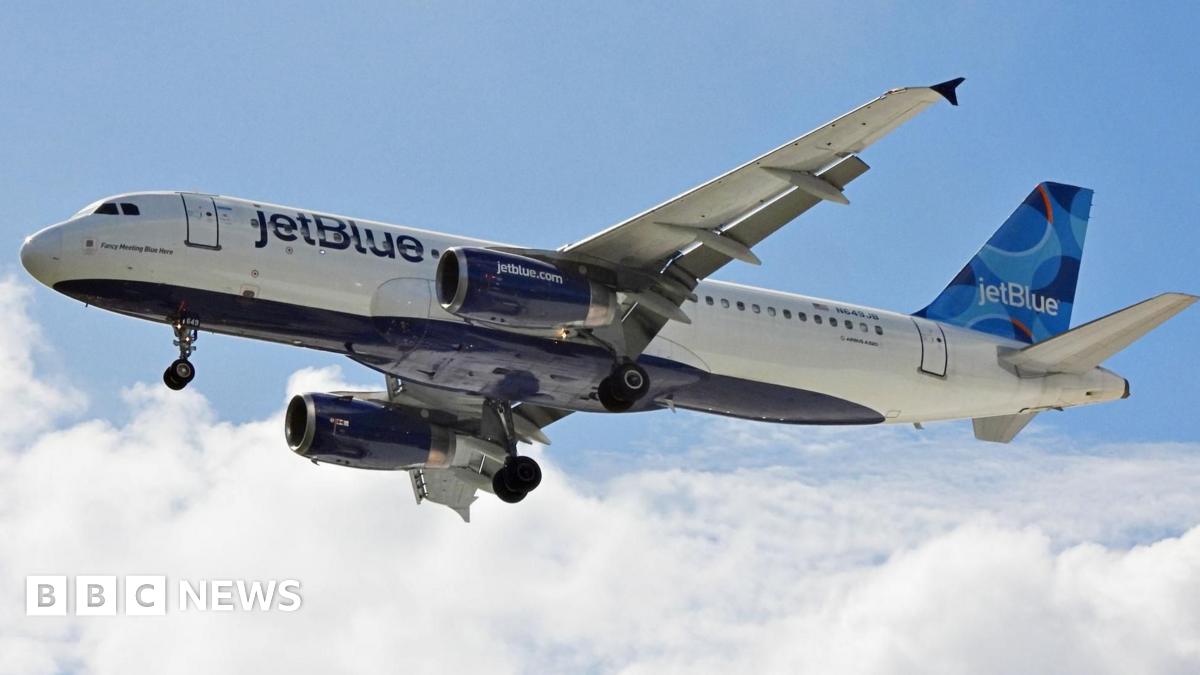
European aerospace manufacturer Airbus has mandated an urgent software update for approximately 6,000 of its A320 family passenger aircraft. This action was prompted by the detection that intense solar radiation could potentially corrupt critical flight data, posing safety concerns. Airlines worldwide are implementing measures, including suspending flights and conducting software upgrades, to address the issue.
The affected fleet mainly comprises the Airbus A320 series, widely used by major airlines such as American Airlines, Delta Air Lines, Air India, and Wizz Air. Regulatory authorities, including the European Union Aviation Safety Agency and the UK's Civil Aviation Authority, have issued directives requiring airlines to carry out the necessary repairs, which for some older aircraft will involve replacing onboard computers—an operation that may take several hours or days depending on availability of replacement parts.
Airline and Airport Responses
Airlines have responded variably: EasyJet has reported completing many of its updates and plans to operate regularly. However, other airlines like Jetstar have announced that some of their Airbus aircraft are currently grounded and unable to operate flights. UK airports, Gatwick and Heathrow, have acknowledged the situation, with Gatwick seeing limited disruption and Heathrow reporting no immediate impact.
"The process of updating affected aircraft could lead to some operational delays and cancellations, especially during busy travel periods," said industry experts. Airlines affected include American Airlines with over 340 impacted planes. The sector remains vigilant and is collaborating with safety authorities to minimize passenger inconvenience while maintaining safety standards.
The aviation industry is closely watching the situation, anticipating logistical challenges, particularly during the peak holiday travel season in the US, which is experiencing high passenger volumes. The airlines continue to work with regulators to mitigate the impact and ensure passenger safety and operational continuity.

