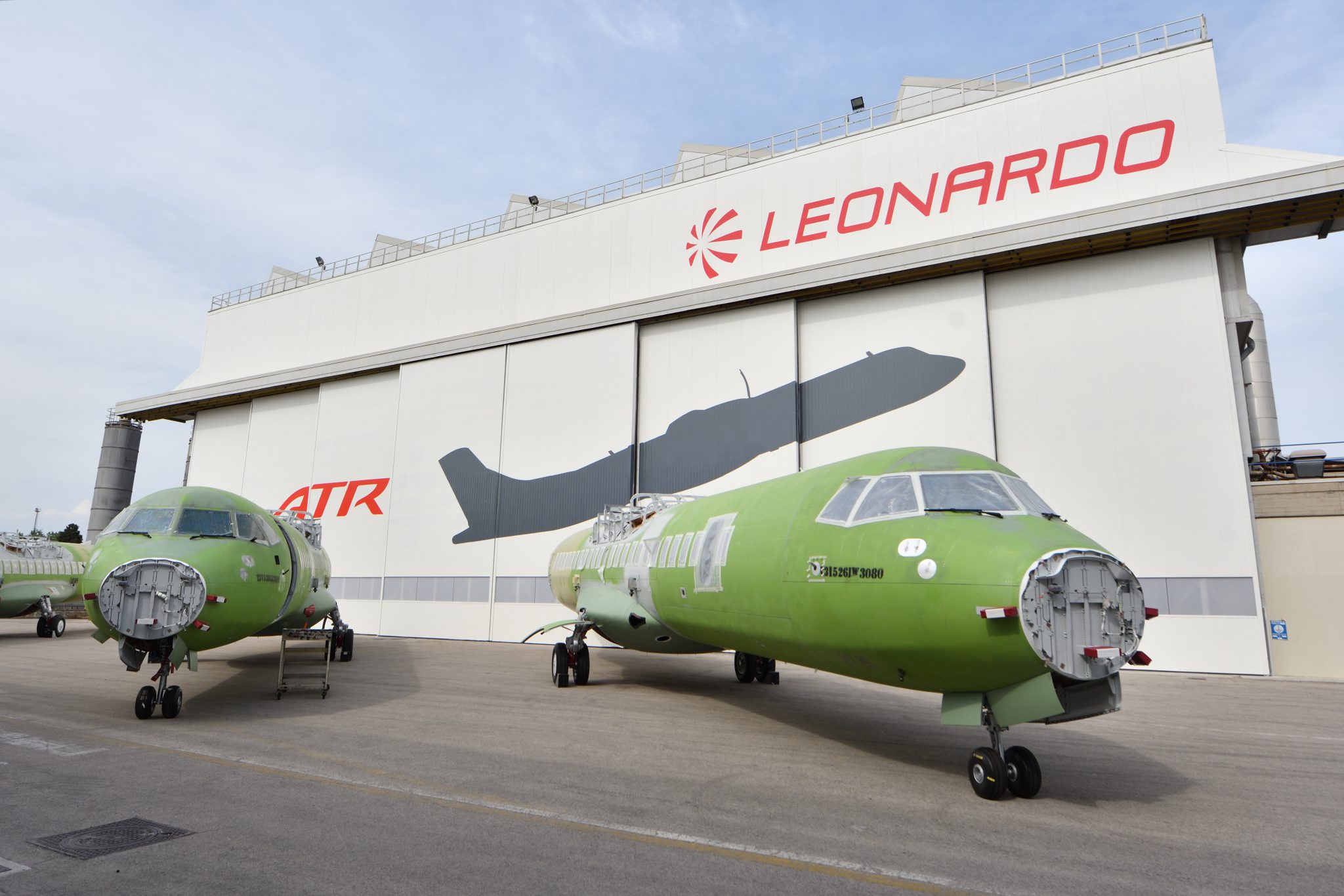
Airbus is considering establishing a final assembly line (FAL) in India for ATR regional aircraft, indicating an expansion of its manufacturing footprint in one of the world’s fastest-growing aviation markets. This move aims to support India's regional connectivity initiatives and meet increasing demand for short-haul, high-frequency routes, particularly through government-backed schemes to develop smaller airports and airstrips.
The initiative, still under evaluation, is aligned with India’s 'Make in India' policy and follows Airbus’s existing manufacturing operations including helicopter assembly and military aircraft production in partnership with Tata Advanced Systems Limited. The potential new assembly line would build on this infrastructure and leverage Indian suppliers involved in aircraft component manufacturing.
Market Drivers and Challenges
India’s regional aviation market is expanding rapidly, with operators like IndiGo maintaining large ATR fleets and regional carriers increasing turboprop operations. The aircraft are well-suited for India’s diverse terrain, capable of operating from constrained and high-altitude airports while offering cost advantages over regional jets. Nonetheless, operating costs, aircraft acquisition prices, and pilot training expenses continue to pose challenges. Local assembly could help reduce some costs through increased indigenisation.
Competitive Dynamics and Industrial Strategies
Aside from Airbus, Embraer has announced plans to establish a final assembly line in India in partnership with the Adani Group, highlighting rising industrial competition. These developments reflect India's broader shift towards manufacturing in aerospace sectors rather than just being a consumer market. The government’s logistical and infrastructure policies further reinforce this industrial momentum.
The move to localise ATR assembly aligns with India’s national policy for regional development and infrastructure, creating an attractive environment for OEMs. While final approval is pending, industry observers see this as a strategic step for Airbus to strengthen its regional position and expand into the growing market for regional aircraft.

