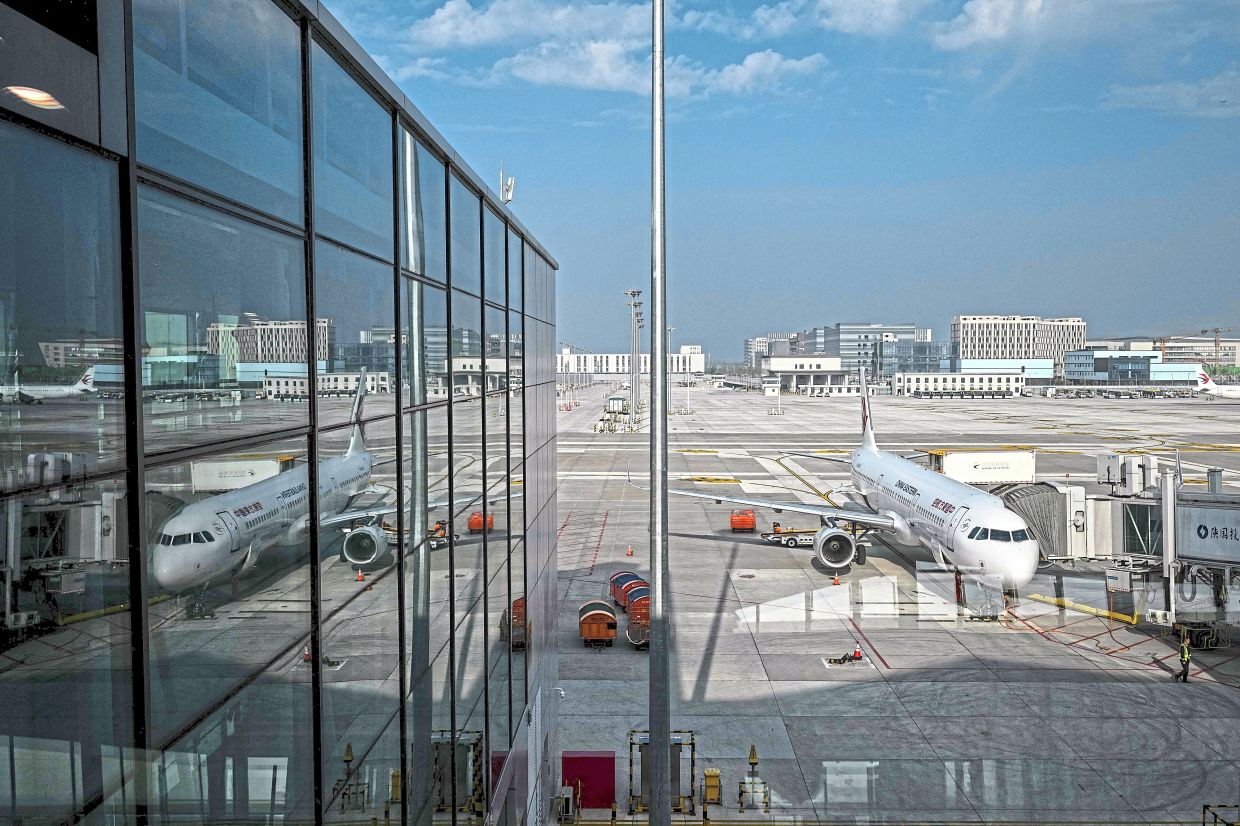
Asian airline shares experienced further declines on Tuesday amid escalating geopolitical tensions between the United States, Israel, and Iran. The conflict has caused fuel prices to spike, prompting airlines to closely monitor the market and adjust their strategies accordingly. Many carriers have reported an increase in passenger bookings as travelers opt for airlines outside the Middle East region, seeking more secure travel options.
Qantas Airways CEO Vanessa Hudson indicated that the airline has implemented "pretty good" fuel hedging to mitigate price volatility. Nevertheless, she warned that the recent surge in oil prices poses significant challenges to the aviation sector, potentially affecting profitability across the industry.
Impact on Fuel Costs and Industry Outlook
The ongoing conflict in the Middle East has driven oil prices upward, raising concerns about increased costs for jet fuel. This development could lead to higher operational expenses for airlines, potentially resulting in fare increases and profit margin compression. Market analysts underscore that such geopolitical tensions can introduce considerable uncertainty into the aviation market, with fuel being a critical factor in airline economics.
As the situation unfolds, airlines continue to reassess their fuel hedging and contingency plans in response to the volatile geopolitical environment. The aviation industry remains vigilant, anticipating possible disruptions and adjusting forecasted earnings accordingly.

