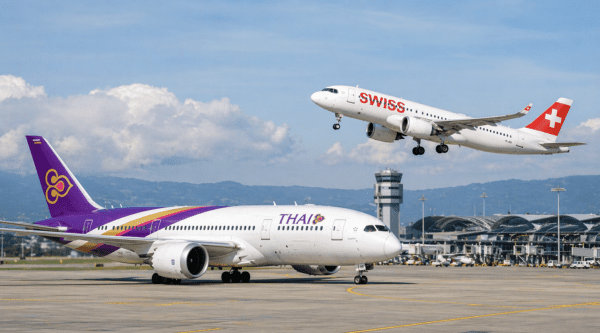
Amid escalating fuel prices, airlines are adjusting their operational strategies. The Lufthansa Group announced a significant reduction in its European short-haul schedule, canceling around 20,000 flights by October to mitigate rising costs associated with jet fuel. The airline is consolidating traffic through major hubs like Zurich, Vienna, and Frankfurt to improve efficiency and protect margins, also closing its regional subsidiary, CityLine, and reducing long-haul flights via Edelweiss Air.
In contrast, Thai Airways adopts a different approach, emphasizing network efficiency and fleet flexibility. The airline is refining its schedules and deploying newer, more fuel-efficient aircraft such as the Boeing 787-9 and Airbus A321neo, targeting an average load factor of 82% in 2025. Reopening strategic routes, consolidating high-demand corridors, and increasing aircraft utilisation are part of its growth and optimisation plan, which has already shown positive financial results.
The Divergent Strategies Reflect Broader Industry Trends
European carriers like Lufthansa are focusing on cost control and route reduction, while Asian airlines such as Thai Airways are expanding by optimizing their networks and leveraging newer technology. These distinct responses highlight how airlines globally are balancing between capacity cuts and operational efficiency in a volatile energy market.
The overall outlook indicates that jet fuel volatility will continue to influence airline planning, emphasizing the importance of strategic adaptability over expansion. Travelers may experience fewer direct flights or busier schedules, depending on region and carrier.
In conclusion, the aviation industry is moving into an era where intelligent management and efficiency are paramount, with airlines adapting their strategies to survive and thrive amid the new cost landscape.

