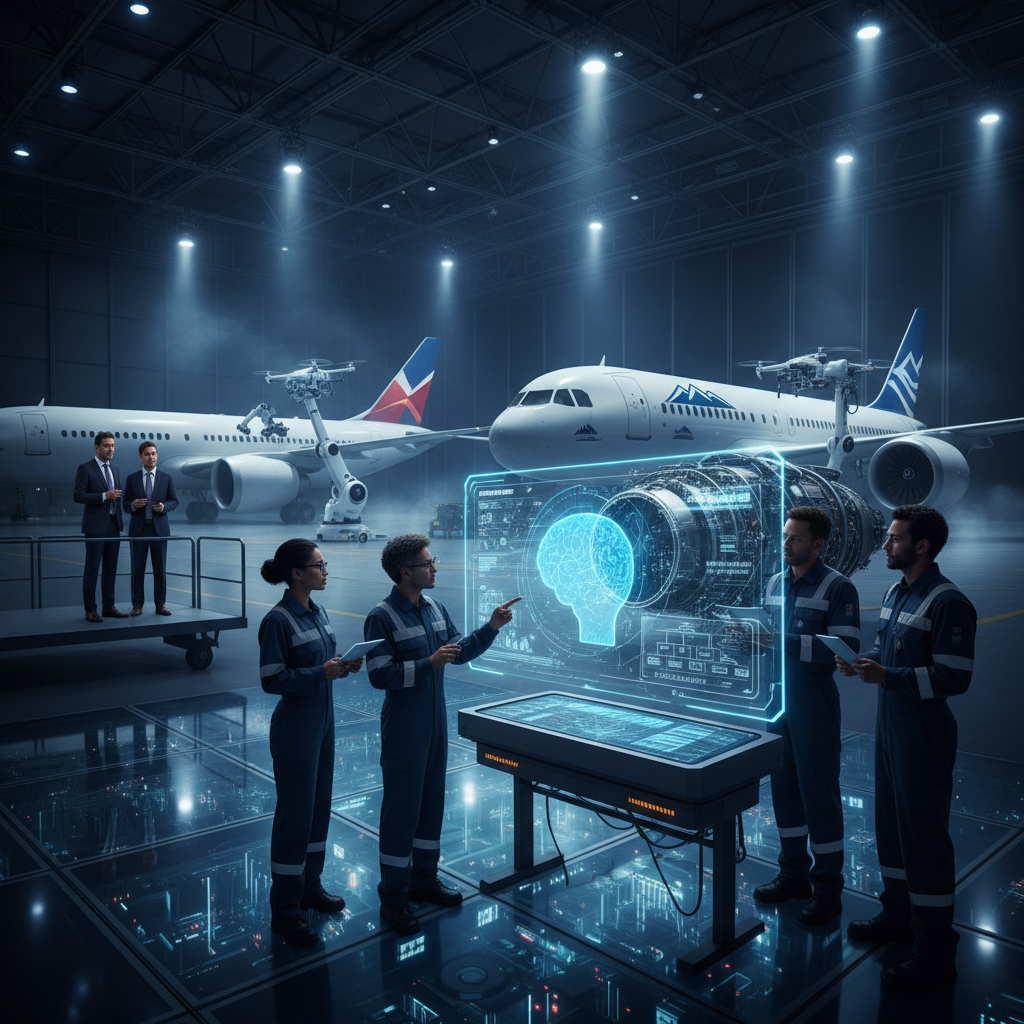
Airlines are increasingly adopting artificial intelligence to streamline maintenance and operational processes, though experts advise careful implementation to avoid potential pitfalls. Delta TechOps has integrated AI tools for predictive maintenance and data management, demonstrating significant improvements in warranty claims processing. Meanwhile, Alaska Airlines employs AI to analyze customer feedback and maintenance data, aiming to identify operational trends and enhance service quality.
Industry leaders like Stephen Snyder see promising applications for AI in capturing verbal communications between crew members, which are often unrecorded but vital for operational decision-making. However, concerns regarding regulatory acceptance and the maturity of certain AI solutions, such as automated inspections, remain. Safety advocates stress that critical tasks still require human oversight.
"AI has the potential to greatly enhance aviation operations, but it must be adopted judiciously," said Ryan Kee, emphasizing the importance of developing workforce understanding and critical thinking skills.
Delta TechOps has been utilizing machine learning within its workflows for nearly ten years, mainly to augment technician productivity without replacing skilled personnel. As the industry navigates the complexities of AI integration, balancing technological benefits with workforce development remains a central challenge. Experts agree that AI should serve as a tool to support human decision-making, ensuring sustainable growth and innovation in aviation maintenance and operations.

