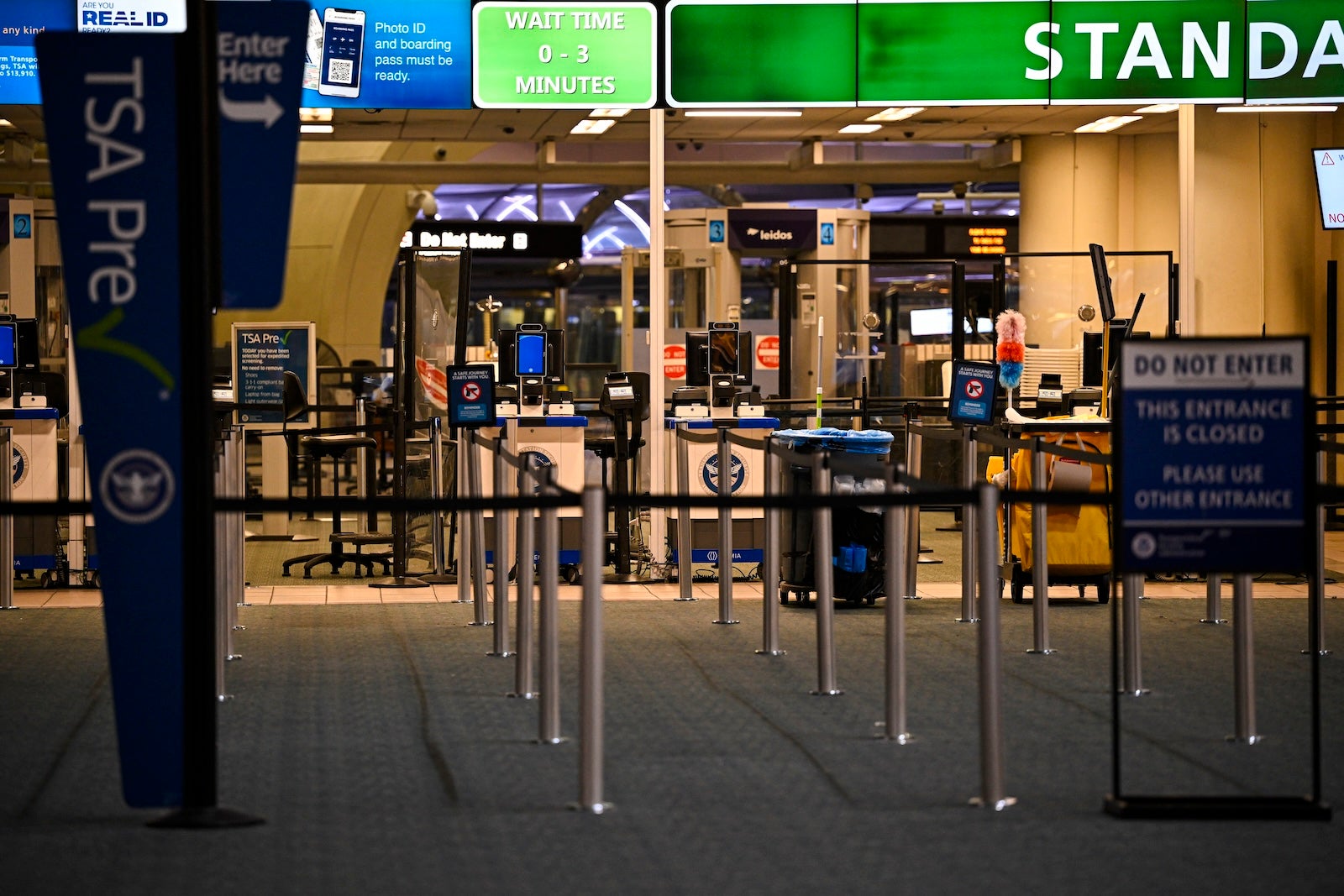
Mass flight cancellations have swept across the United States, affecting nearly all major airlines due to FAA restrictions implemented at 40 airports amid a prolonged federal government shutdown. The restrictions, announced by the FAA, aim to reduce air traffic amid staffing shortages caused by the shutdown, which has prevented many air traffic controllers from working without pay.
Leading airlines such as American Airlines, Delta, United, Southwest, Alaska, Hawaiian, JetBlue, Frontier, and Spirit have responded with various assistance measures, including rebooking options, waivers, and refunds. American Airlines, for instance, has canceled approximately 220 flights daily but confirmed that international and hub-to-hub flights would continue as usual. Delta extended its advisory, allowing rebooking or refunds for flights affected between Nov. 7 and 14, while United provided a travel waiver for flights departing from specified airports between Nov. 6 and 13, allowing impacted travelers to rebook or cancel without penalty.
Southwest Airlines has announced automatic rebooking or refunds for canceled flights, and Alaska Airlines, along with Hawaiian Airlines, offered flexible rebooking policies for trips booked within the affected dates. Some low-cost carriers like Spirit Airlines are monitoring the situation but have not issued specific waivers yet. Passengers are urged to stay informed through their airlines for updates on ongoing disruptions.
The restrictions focus on several major airports such as Atlanta (IATA: ATL, ICAO: KATL), Boston (BOS, KBOS), Chicago (ORD, MDW), Dallas (DFW, DAL), Denver (DEN, KDEN), Los Angeles (LAX, LAX), and others across the country. While the measures are expected to continue until the shutdown ends, airlines are adapting their operations accordingly. The situation raises important questions about compensation for stranded travelers since airlines are only mandated to provide refunds and are not required to cover additional expenses unless travelers have suitable travel insurance.

