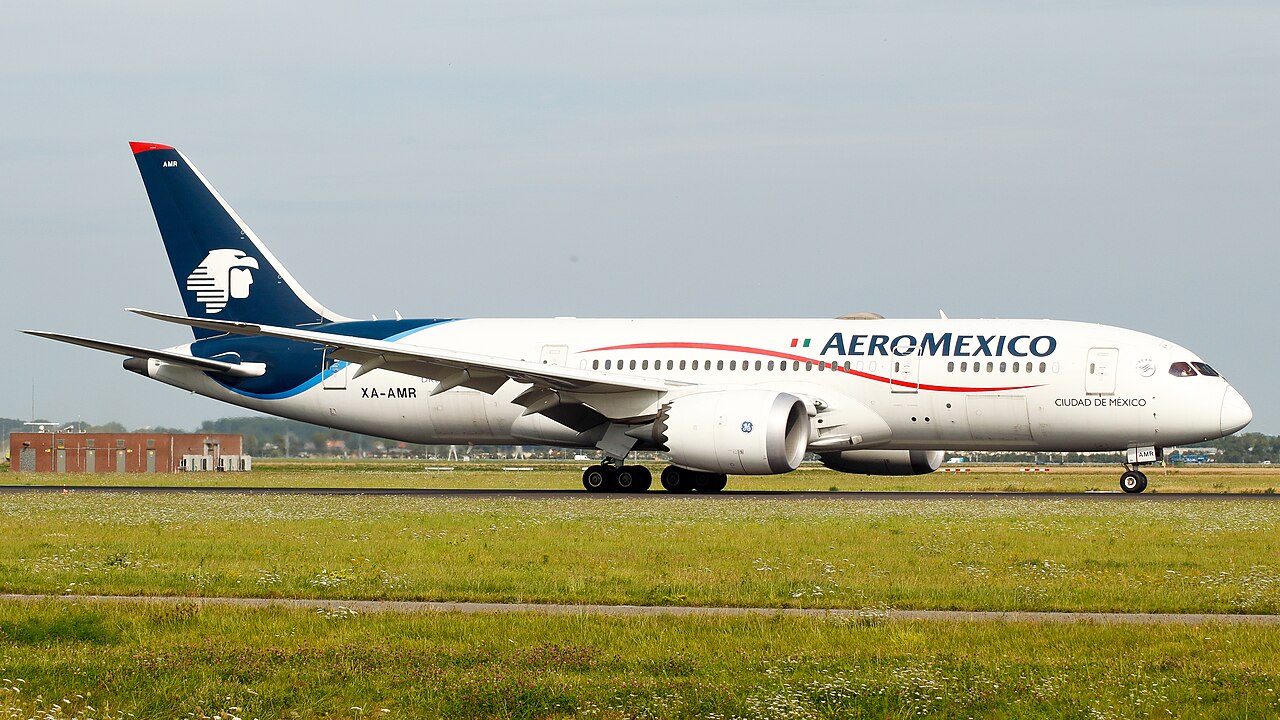
The upcoming 2026 FIFA World Cup, hosted across 16 cities in the United States, Canada, and Mexico, is expected to draw over five million air travelers across North America. This unprecedented event is creating significant logistical challenges for airlines, which are responding by increasing capacity through larger aircraft, extra flights, and nonstop routes.
Travel demand spikes sharply during match days and as fans move between host cities, often correlating with team progress in the tournament. Consequently, fares into these cities have surged by approximately 42%, though the supply of seats remains limited. Aviation enthusiasts anticipate an influx of unusual aircraft on routes usually served by smaller planes, as airlines make use of available aircraft to meet the surge.
Industry Response and Challenges
Carriers such as American, United, Air Canada, Aeromexico, Volaris, LATAM, Qatar Airways, and GOL are adapting to the demand. Strategies include deploying larger aircraft, increasing frequency, and launching direct routes to popular destinations. These adjustments underscore the industry's efforts to handle the exceptional demand.
The final matches are scheduled for July 19 at MetLife Stadium in New Jersey, marking the culmination of the largest World Cup in history. This extraordinary event illustrates the importance of logistical planning and capacity expansion in the airline sector to successfully accommodate a global sporting event of this scale.

