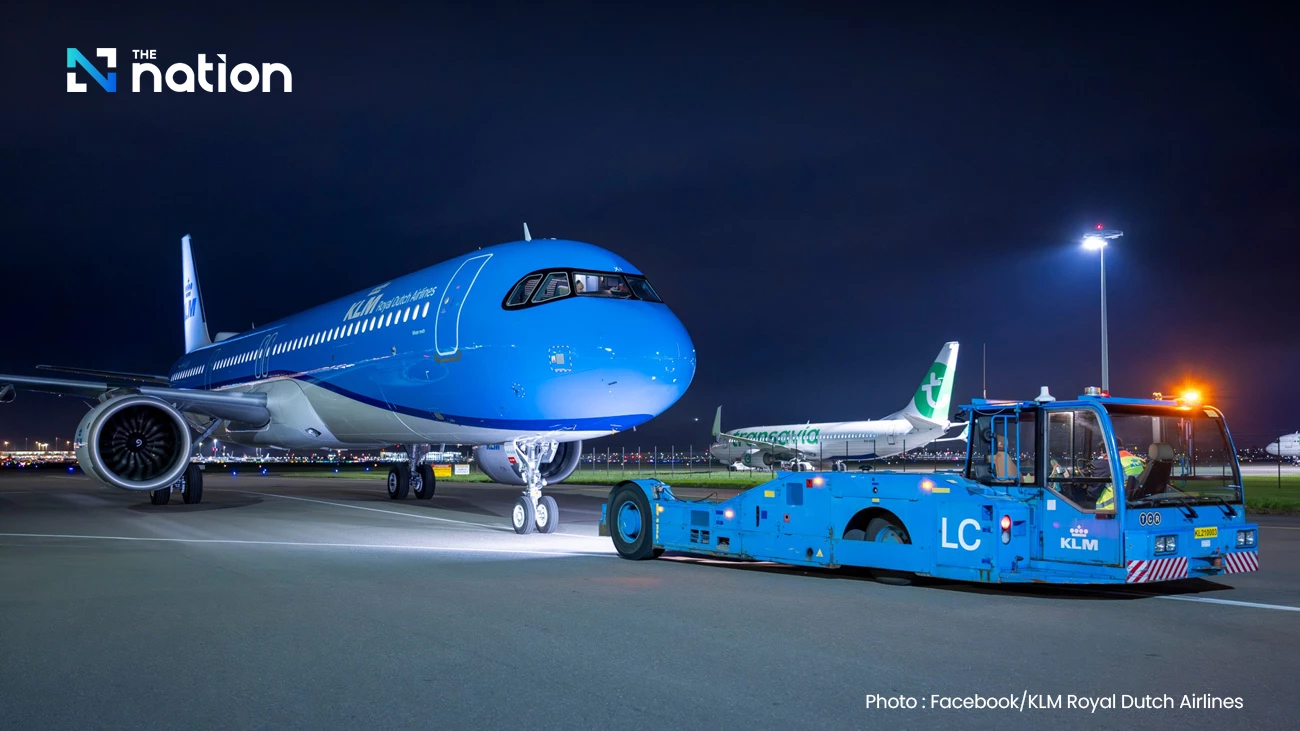
Airlines worldwide are reducing flight schedules due to rising jet fuel prices and regional conflicts affecting airspace, particularly in the Middle East. Major carriers like KLM, United Airlines, Lufthansa, and Cathay Pacific have announced capacity cuts in response to increased fuel costs and supply concerns.
According to aviation analytics firm Cirium, global airline capacity for May has decreased by approximately 3%, with some of the largest airlines trimming their routes. The sector faces further reductions if fuel prices continue to escalate, as airline executives warn of ongoing financial pressures.
Geopolitical and Fuel Supply Challenges
The disruptions are compounded by regional tensions, notably the ongoing war involving Iran and the US naval blockade of the Strait of Hormuz, which has disrupted key oil shipping lanes. These tensions threaten to impact the forthcoming summer travel season, a peak period for global aviation. Airlines are reassessing routes that are marginally profitable or at risk of increased costs, potentially leading to cancellations or further schedule reductions.
"The airline industry is experiencing unprecedented stress, with fuel costs alone adding an estimated US$2.5 billion in charges this quarter," said Ed Bastian, CEO of Delta Air Lines. "Supply shortages of jet fuel are also emerging, particularly in Europe, where forecasts suggest only six weeks of supply remaining under current conditions."
Major European low-cost carriers like Ryanair, Virgin Atlantic, and EasyJet are expecting fuel supplies to remain tight until mid-May. The European Union has indicated that coordinated measures are being prepared to mitigate potential shortages, underscoring the severity of the crisis.
As airlines face mounting operational challenges ahead of the busy summer months, the industry is closely monitoring geopolitical developments and fuel markets for signs of stabilization. The situation underscores the need for strategic planning amid ongoing economic and regional uncertainties.

