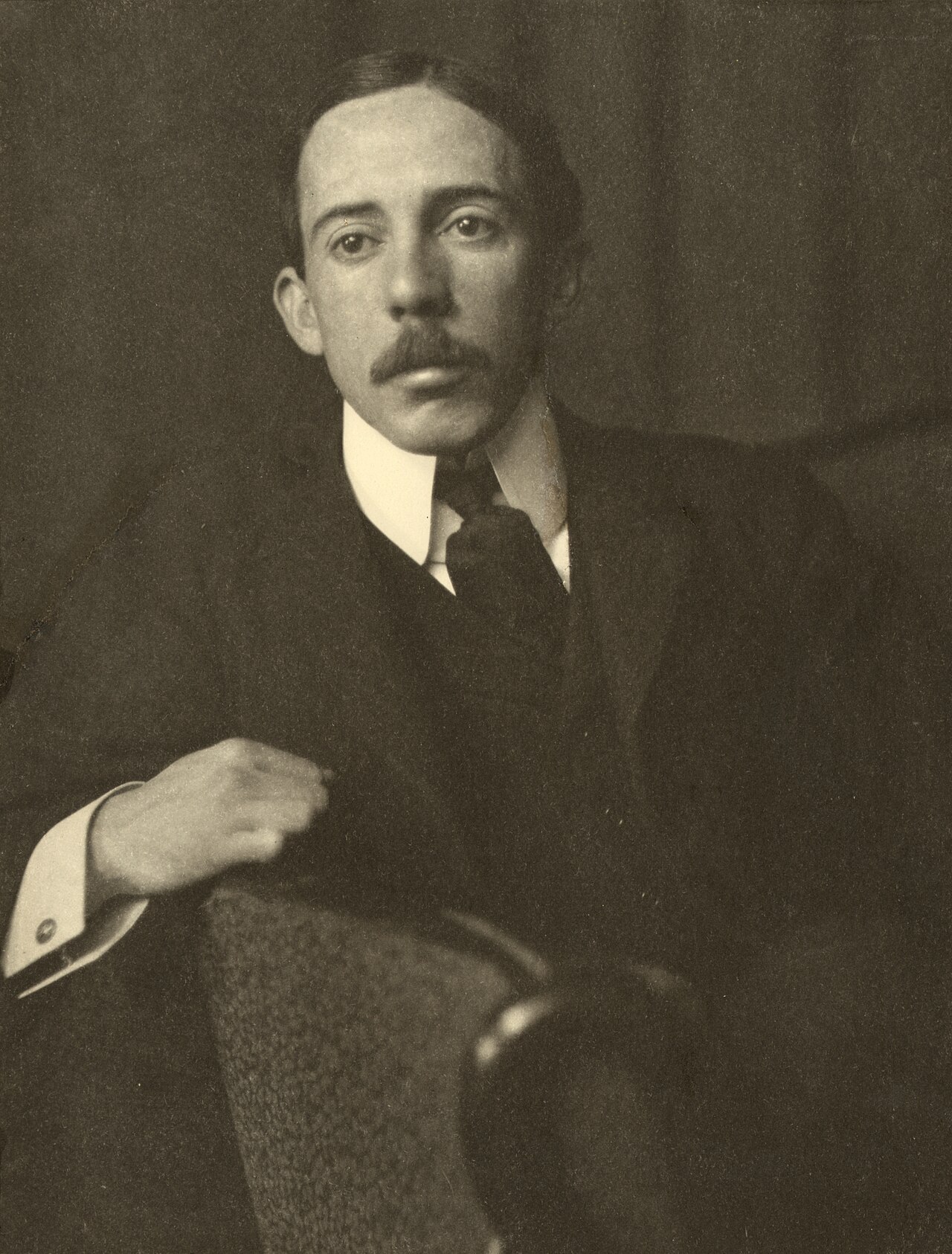
Alberto Santos-Dumont, a pioneering aviator and balloonist, achieved a historic milestone on October 19, 1901, when he flew his hydrogen airship around the Eiffel Tower and back to Saint-Cloud in under 30 minutes, winning the Deutsch de la Meurthe Prize. The event drew a vast crowd and highlighted his reputation as Europe's leading flight innovator of the early 20th century.
Born in Brazil and based in Paris, Santos-Dumont was fascinated by the technological advancements of the Belle Époque era. By the late 1890s, he was flying his own airship designs across Paris, even mooring them to lampposts outside restaurants like Maxim's while dining inside — a spectacle that endeared him to society and showcased his daring spirit.
Public and Continental Impact
Santos-Dumont's approach to aviation was marked by openness and transparency. Unlike the secretive efforts of the Wright Brothers, he conducted his flights publicly, notably in 1906 with the 14-bis aircraft, which made the first officially recognized powered heavier-than-air flight in the world. These public demonstrations helped to convince the European public and aviation authorities of the feasibility of controlled powered flight.
“I cannot describe the delight, the wonder and intoxication of this free diagonal movement onward and upward, or onward and downward,”
— Alberto Santos-Dumont.
His most elegant aircraft, the Demoiselle monoplane, embodied his belief that aviation should be accessible and beneficial for all. Published freely without patents, its designs influenced many others during the early aviation boom. Sadly, his later years were marred by personal decline after he was diagnosed with multiple sclerosis, and he witnessed the destruction caused by airplanes during the First World War. Disillusioned and depressed, Santos-Dumont took his own life in 1932.
Today, Santos-Dumont remains a national hero in Brazil, symbolizing innovation and human achievement in flight. His legacy includes inspiring the development of aviation in both Europe and South America, and his daring feats and dedication continue to be celebrated.

