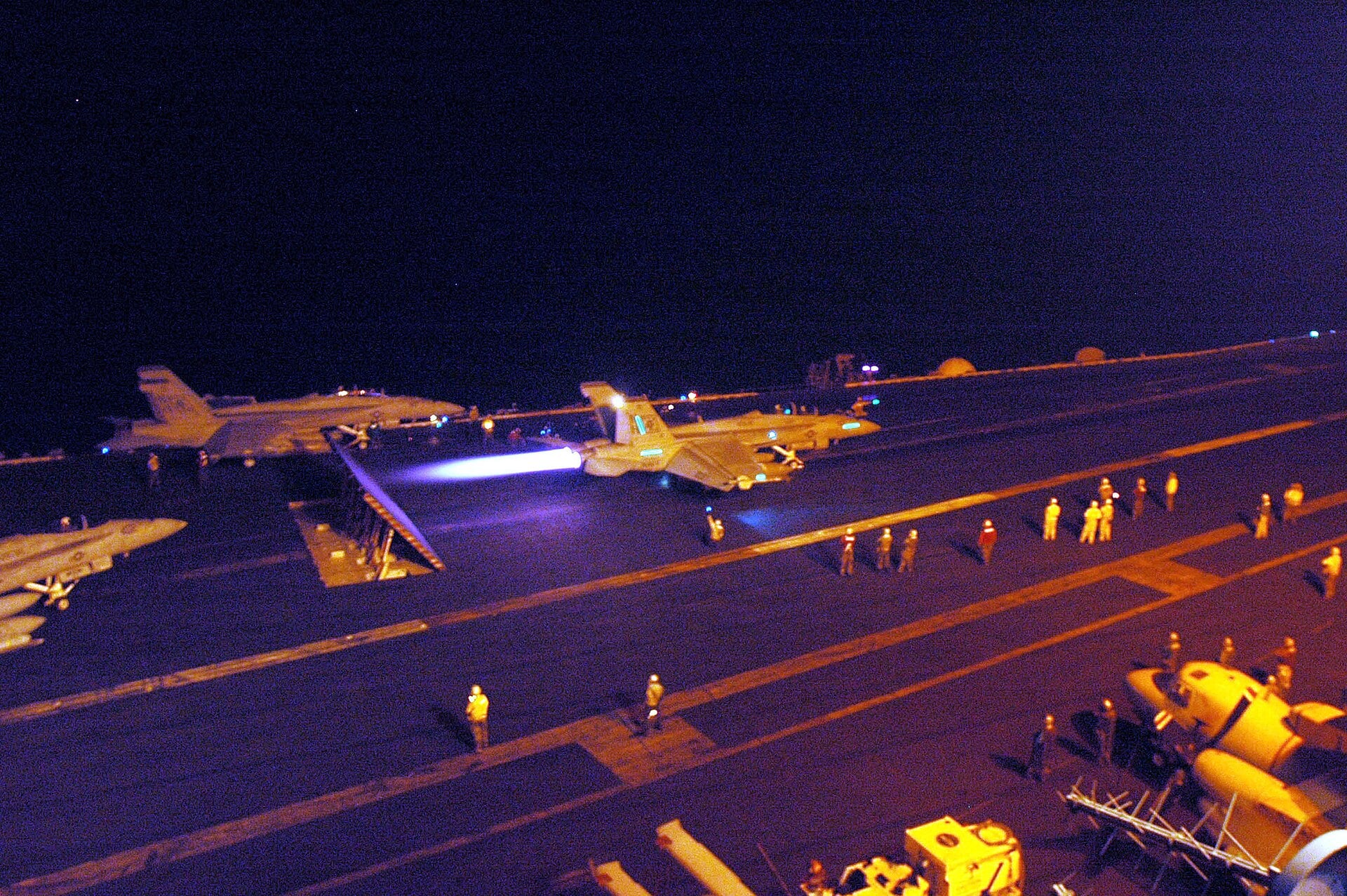
Recent discussions in aviation communities often question whether the colour of jet exhaust flames correlates with the nationality of the aircraft, with some claiming that Russian jets burn blue while American jets burn orange. However, a detailed examination reveals that flame colour depends primarily on combustion chemistry and lighting conditions rather than the jet's origin.
The blue glow results from chemiluminescence emitted by radicals such as CH and C2 during clean combustion, indicating minimal soot production. The orange glow is caused by incandescent soot particles, which glow at typical flame temperatures. Consequently, a blue flame signifies cleaner burning, while orange indicates soot accumulation. Importantly, the colour does not denote higher temperature or greater power.
Photographic conditions, like time of day and camera settings, heavily influence the apparent flame colour. Night photos most often capture the faint blue chemiluminescence, whereas daytime images tend to show a brighter orange due to soot and ambient lighting. Examples include American F-15E Strike Eagles often seen with blue flames in night tests, and Soviet-designed Su-27 and MiG-29 fighters with orange flames during daylight.
Additionally, engine design variations, such as those in the Tu-22M3 bomber with Kuznetsov NK-25 engines, can produce deep blue flames owing to specific fuel combustion characteristics. Shock diamonds—rings in the exhaust plume—are caused by pressure mismatches and are unrelated to flame colour.
In conclusion, the myth that flame colour indicates engine temperature or nationality is unfounded. Both blue and orange flames appear on aircraft from different countries, and the key factors are soot content, lighting, and camera conditions rather than the aircraft's origin.

