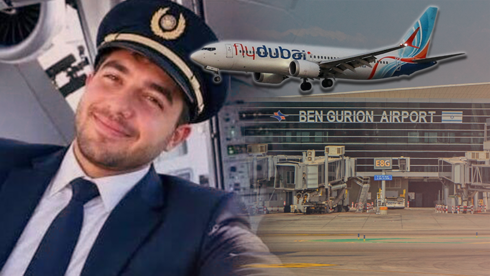
Recent incidents have highlighted critical vulnerabilities in aviation security, especially following the suspected cockpit breach aboard a Flydubai flight from Dubai to Tel Aviv. Counterterrorism expert Dr. Menachem Bachrach emphasizes that a single security failure can be catastrophic, as terrorists need only one weak link to succeed.
In his detailed analysis, Bachrach discusses the ongoing race between attack and defense in aviation. He notes that despite technological advances, the system often lags behind terrorist tactics. For example, systems in modern aircraft and airports are designed to detect threats, but insiders with legitimate access remain a significant risk. The Flydubai incident underscores the importance of proactive measures, such as monitoring cockpit activity and improving threat detection protocols.
Drawing from his extensive experience, Bachrach traces the evolution of aviation terrorism from hijackings in the late 1960s to sophisticated attacks like shoulder-fired missile attempts in Nairobi. He advocates for a balanced approach combining technology and human oversight. The historical success in thwarting attacks resulted from multilayered security models, but he warns that complacency or negligence can still lead to vulnerabilities. Ultimately, Bachrach stresses that security systems must anticipate future threats rather than merely react to past events.

