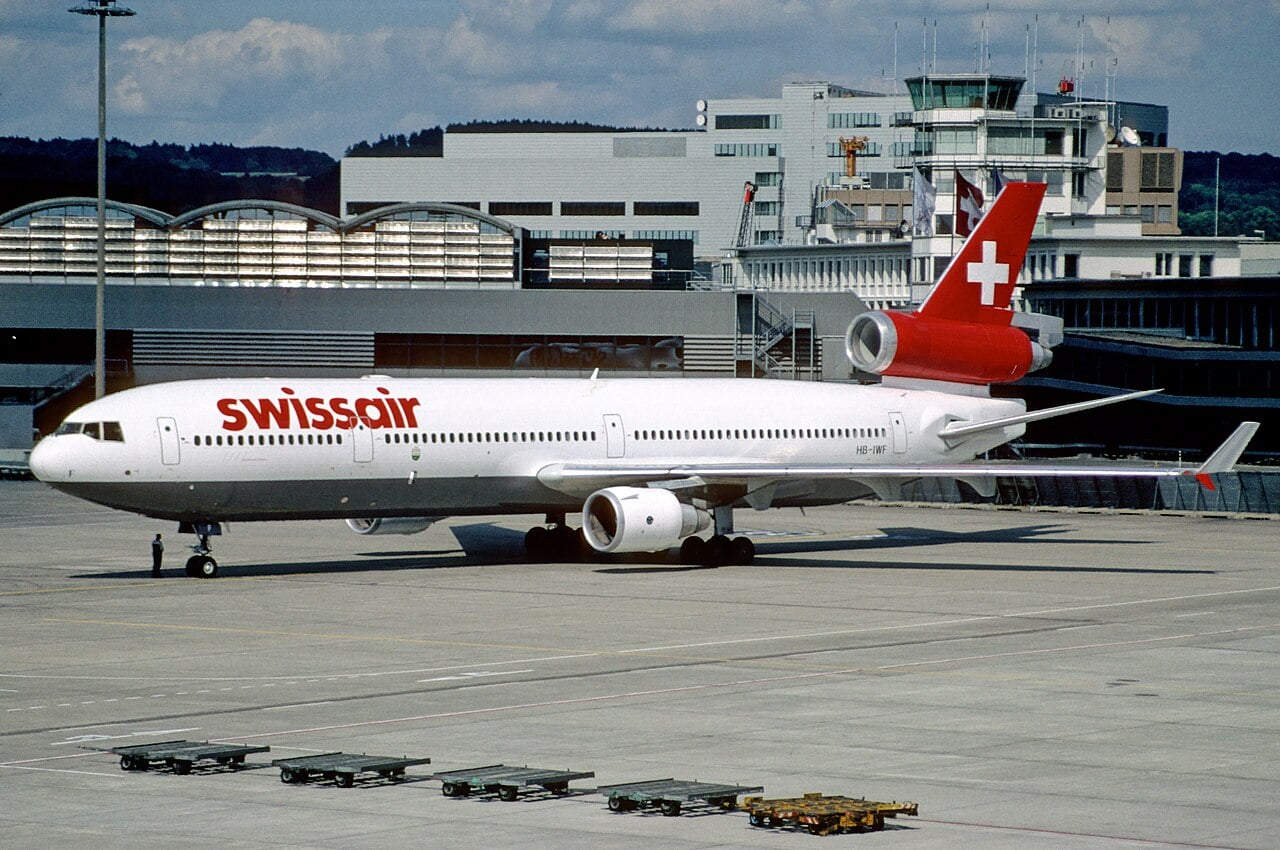
In 1998, Swissair Flight 111 tragically crashed into the Atlantic Ocean off Peggys Cove after an in-flight fire, resulting in the deaths of all 229 onboard. The incident highlighted critical safety issues related to electrical wiring and flammable insulation materials used in aircraft cabin systems. Investigators determined that arcing in wiring linked to the in-flight entertainment system likely ignited the fire, which spread above the cockpit ceiling, feeding on insulation materials that were later found to be highly flammable.
The accident prompted major changes in aircraft safety standards, including stricter regulations on material flammability, wiring protections, and fire detection systems. Swissair, the airline operating the flight, rebranded its popular route to Geneva but eventually ceased operations in 2002, with its successor removing the MD-11 fleet by 2004. Memorials now stand near the crash site to honor those lost and serve as reminders of the importance of rigorous safety protocols in aviation.
The incident underscored that unseen fires pose significant dangers, leading to improved certification standards and more robust fire safety measures across the industry. The investigation took over four years and involved recovering 98% of the wreckage, which provided crucial insights into how fire protection can be increased to prevent similar tragedies in the future.

