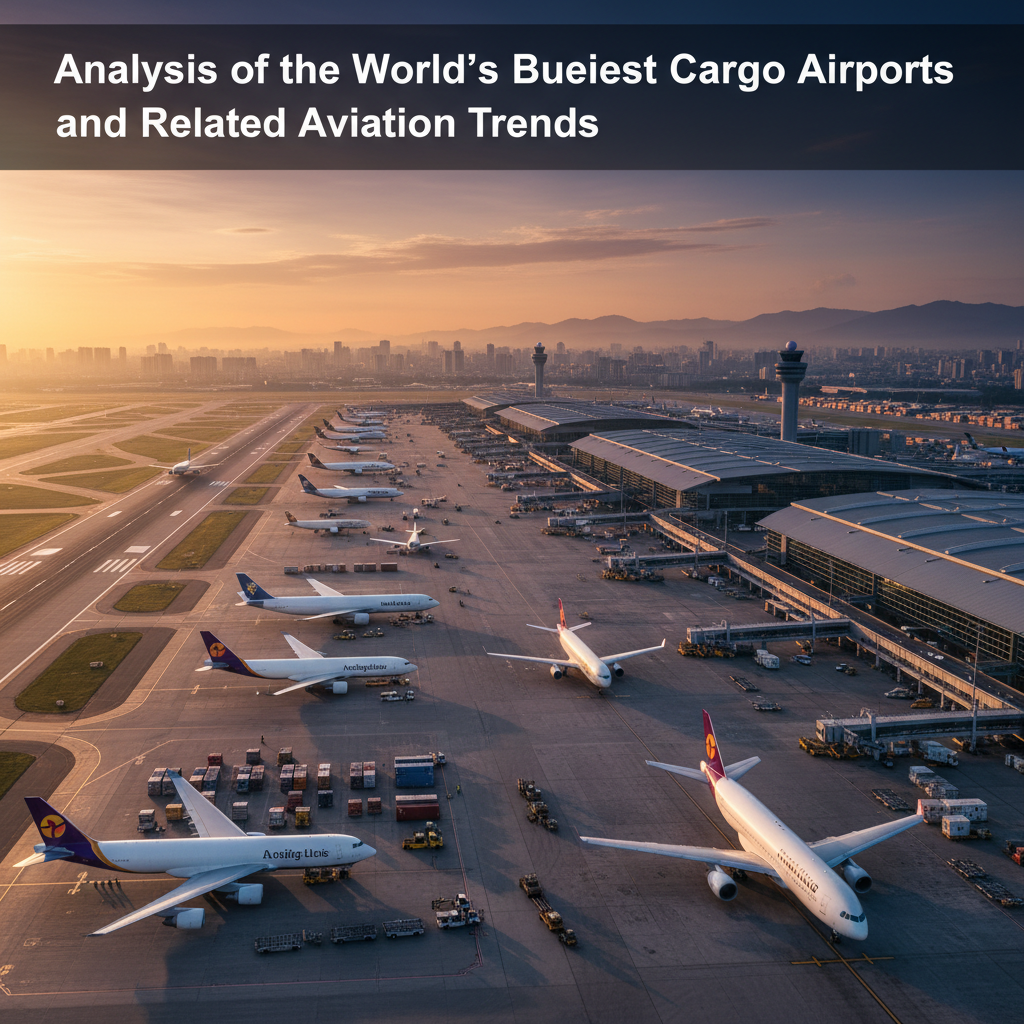
The aviation industry continues to spotlight the world's busiest cargo airports, with Hong Kong International Airport leading the rankings as of May 2026. This data emphasizes the significance of air cargo hubs in facilitating global trade and highlights ongoing trends in air freight capacity and logistics.
According to experts, Hong Kong International remains a critical node, handling substantial volumes of air freight. Other key airports contributing to this network include airports in major trade regions, reflecting the evolving landscape of global supply chains. Industry analysts note that capacity constraints and regulatory changes are influencing plans for expansion and modernization at these facilities.
Recent developments and market insights
Market observers report that disruptions in the Middle East and geopolitical tensions are affecting major cargo routes. Efforts to balance airport capacity with rising demand are ongoing, with some airports exploring new infrastructure investments and operational improvements. The aviation community remains focused on enhancing efficiency, safety, and sustainability amidst these challenges.
Membership in industry networks and subscription services remains vital for staying informed about emerging trends and policy updates. Aviation companies are encouraged to monitor these developments to adapt strategies accordingly.
Looking ahead, the industry's trajectory suggests continued growth in air freight throughput, although geopolitical and logistical hurdles may impact short-term expansion plans. Stakeholders are advised to remain vigilant and innovative to maintain competitiveness in this essential sector.

