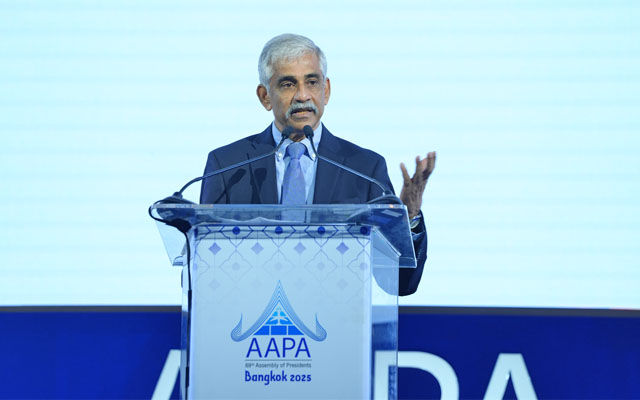
Asia-Pacific airlines are optimistic about industry growth in 2026, yet face significant challenges related to supply chain constraints and regional industrial fragmentation, according to the recent report by the Association of Asia Pacific Airlines (AAPA). The first nine months of 2025 saw a 10 percent increase in international passenger traffic across the region, surpassing global averages and indicating a robust recovery.
However, industry leaders including AAPA director general Subhas Menon highlighted that supply bottlenecks—exacerbated by ageing aircraft and labour shortages—pose risks to future growth. Governments are called upon to invest strategically in maintenance, repair, and overhaul (MRO) capacity and to streamline policies for aviation manufacturing. Such coordination would help mitigate risks stemming from regional industrial fragmentation, which currently results in heavy maintenance work being routed offshore to North America and Europe.
Industry Recommendations and Policy Challenges
Menon emphasized the importance of government support, citing Thailand’s coordinated approach toward its sustainable fuel blend target for 2026 as an example of progress. He also warned that without increased infrastructure investment, the supply chain squeezing will persist, potentially constraining the sector’s long-term growth. The report underpins the need for harmonized regulations and industrial incentives to sustain the industry’s momentum and support the world's largest and fastest-growing air transport sector.
Furthermore, the assembly adopted resolutions to reinforce the five per cent sustainable aviation fuel (SAF) target for 2030, urging governments to accelerate production, introduce incentives, and implement safety standards for lithium batteries. Addressing these issues through coordinated policymaking is essential for building resilience and ensuring the region's aviation industry sustains its growth trajectory.

