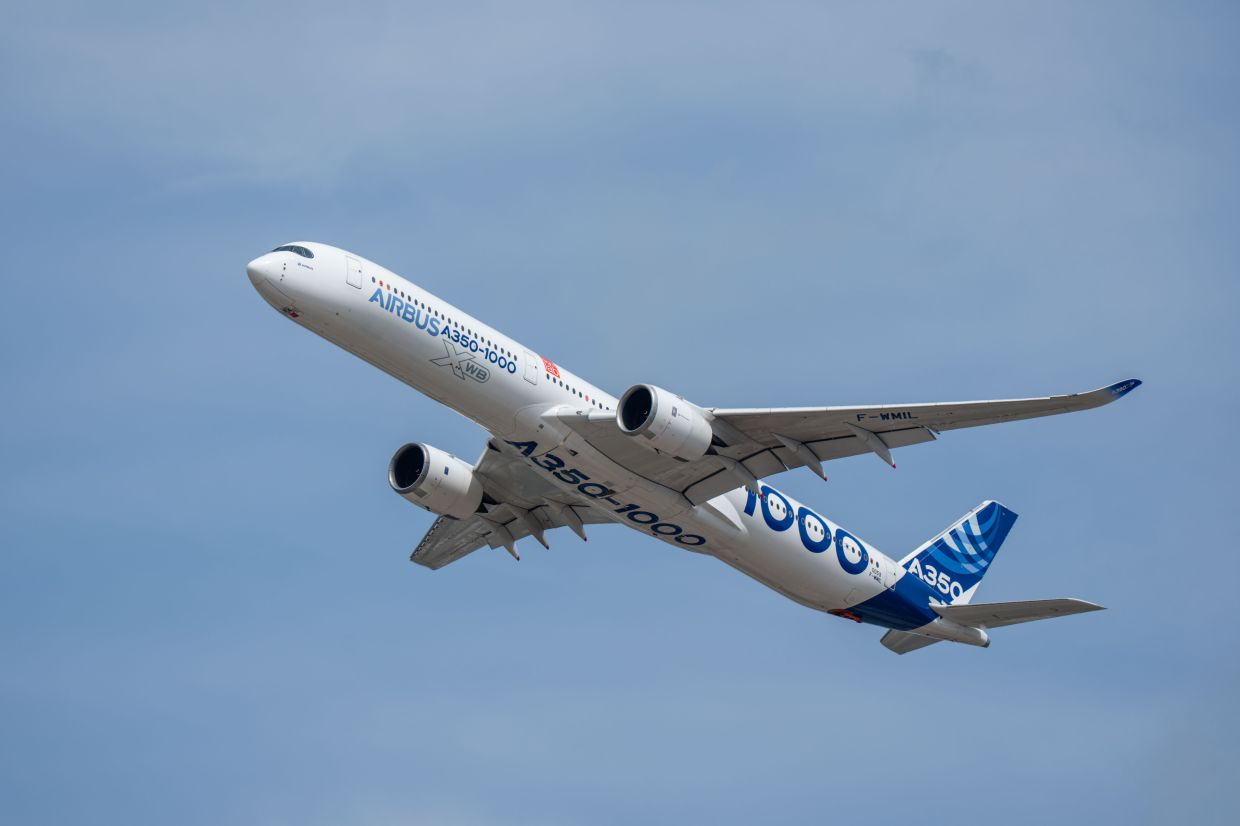
Asia-Pacific is poised to lead global aviation growth over the next two decades, according to a new forecast by Airbus. The region's passenger traffic is projected to grow at a compound annual growth rate of 5.1%, outpacing the global average of 3.9%. This surge will drive the demand for more than 19,000 new passenger aircraft, nearly half of the worldwide requirement of around 42,000 aircraft.
Airbus emphasizes that the bulk of this expansion is supported by strong economic fundamentals, urbanization, and a rising middle-income population, which is expected to reach three billion in 2045. The demand for widebody aircraft is also significant, with nearly half of the world's upcoming deliveries to be directed to the Asia-Pacific, including models like the A350 and A330neo. These aircraft will replace older fleets and support long-haul, intercontinental routes.
Market Structure and Connectivity Developments
The forecast predicts continued growth in single-aisle aircraft, with approximately 15,700 units needed in the 100-244 seat range. This reflects domestic expansion and intra-regional connectivity. Notably, the newer aircraft models like the A321XLR and A220 are enabling airlines to open new routes connecting secondary cities, thus decentralizing earlier hub-centric networks.
As of August 2026, the region's airlines operate about 5,000 Airbus aircraft, constituting a 58% market share, with roughly 3,500 aircraft on order. These orders comprise about 61% of the total backlog in the above-100-seat market segment, underscoring strong future growth prospects.
Overall, Airbus's forecast underscores the region’s pivotal role in shaping the future of global civil aviation, driven by economic growth, technological advancements, and evolving connectivity needs.

